Vintage Denim: What's Selling and What to Look For
Vintage denim—especially Levi's from the 1950s-80s—commands serious prices. Learn what details drive value and what's selling right now.
Vintage denim is one of the hottest resale categories, with rare Levi's selling for $500 to $50,000+. But not all old jeans are valuable.
Here's what separates a $20 thrift find from a $2,000 collectible.
What makes denim "vintage"?
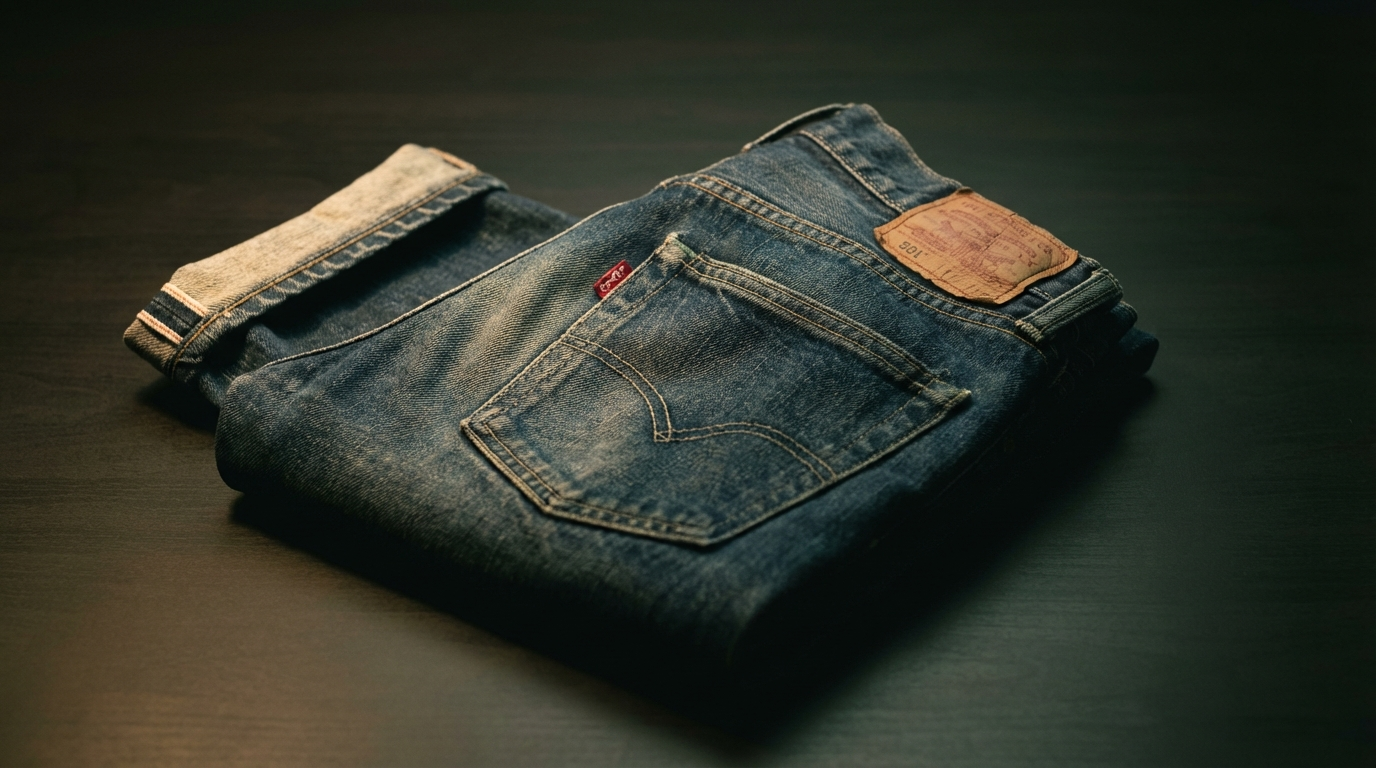
For collectors, vintage typically means pre-1990—and the sweet spot is 1950s through early 1980s.
The cutoff isn't arbitrary. Before the mid-1980s, Levi's and other manufacturers used different construction methods, fabrics, and hardware. These details are what collectors pay for.
Key markers of true vintage
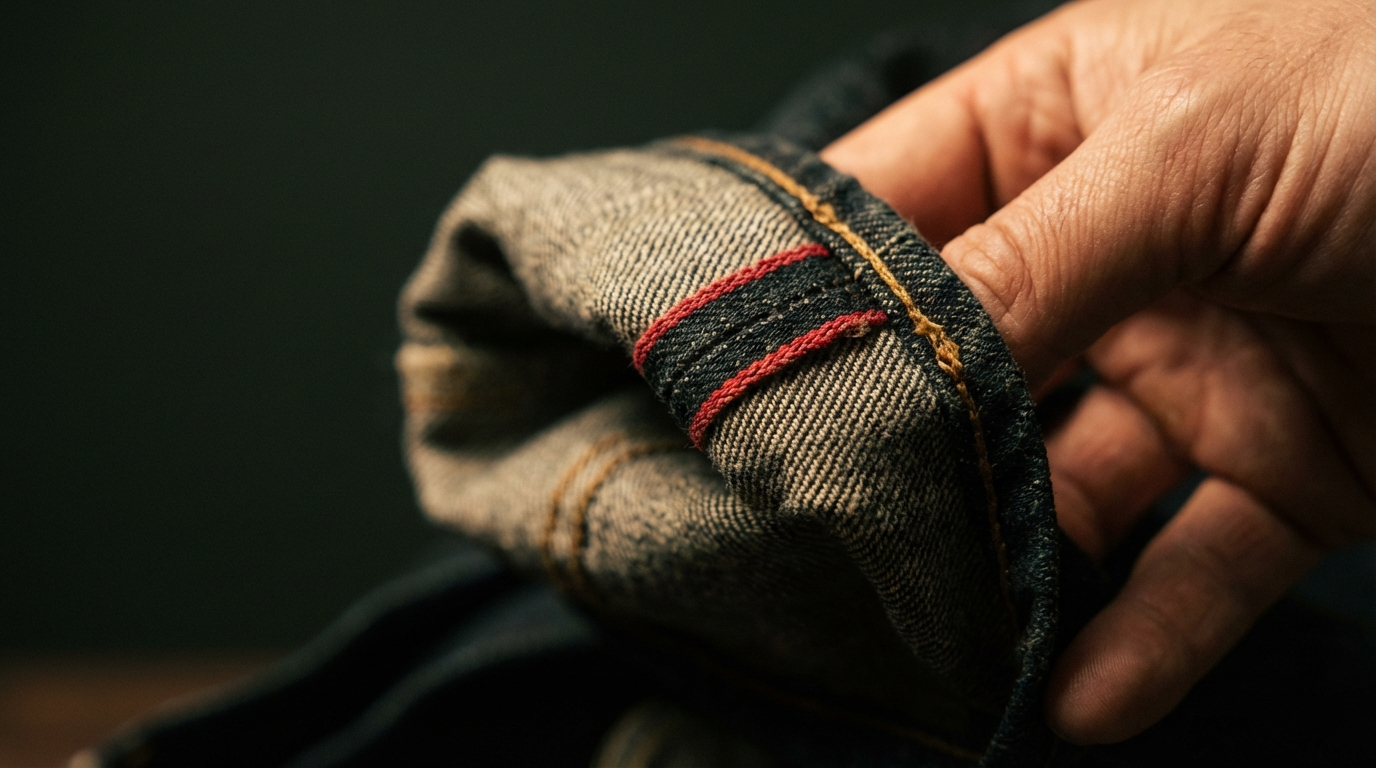
- Selvedge denim — The tightly woven edge visible when you roll the cuff. Indicates pre-mass-production looms.
- Redline selvedge — A red thread running along that edge. Highly sought after.
- Single-stitch construction — Back pockets with one row of stitching instead of two. Pre-1971 indicator.
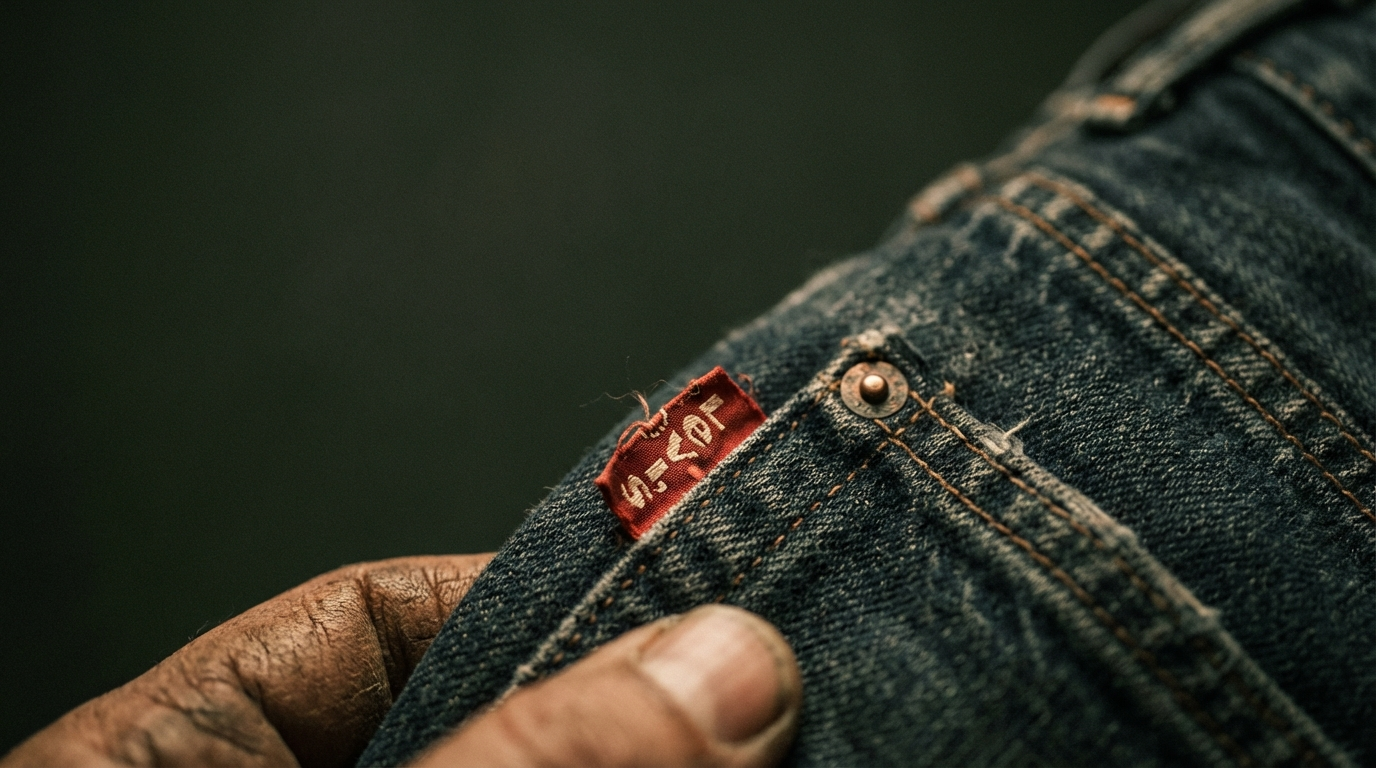
- Big E red tab — The tab says "LEVI'S" in all caps. Changed to lowercase "e" in 1971.
- Leather patch — Real leather, not paper or cardboard. Earlier = more valuable.
What vintage denim is selling right now?
The vintage denim market has tiers:
| Price Range | What You'll Find |
|---|---|
| $50–$150 | 1980s-90s Levi's 501s, 505s, and 550s in good condition. Common but consistent sellers. |
| $150–$500 | 1970s Levi's with intact leather patches and Big E tabs. Orange tab pieces. Vintage Lee and Wrangler from the same era. |
| $500–$2,000 | 1960s Levi's in wearable condition. Rare washes, unusual sizes, and deadstock (never worn, tags attached). |
| $2,000+ | 1950s and earlier. Original 501XX jeans. Anything with a capital E and intact original features. |
Market note: Japanese buyers drive a significant portion of the high-end market. Tokyo vintage shops stock American denim at premium prices—which keeps stateside resale values strong.
Where can I find vintage denim?
Estate sales beat thrift stores for vintage denim. Older generations kept jeans for decades—and their closets often hold unworn pairs from the '60s and '70s.
Other sources worth checking:
- Farm and ranch estate sales (work wear was built to last)
- Storage unit auctions
- Buy-nothing groups and local marketplace lots
- Older relatives' closets (seriously—ask)
What condition issues matter (and which don't)?
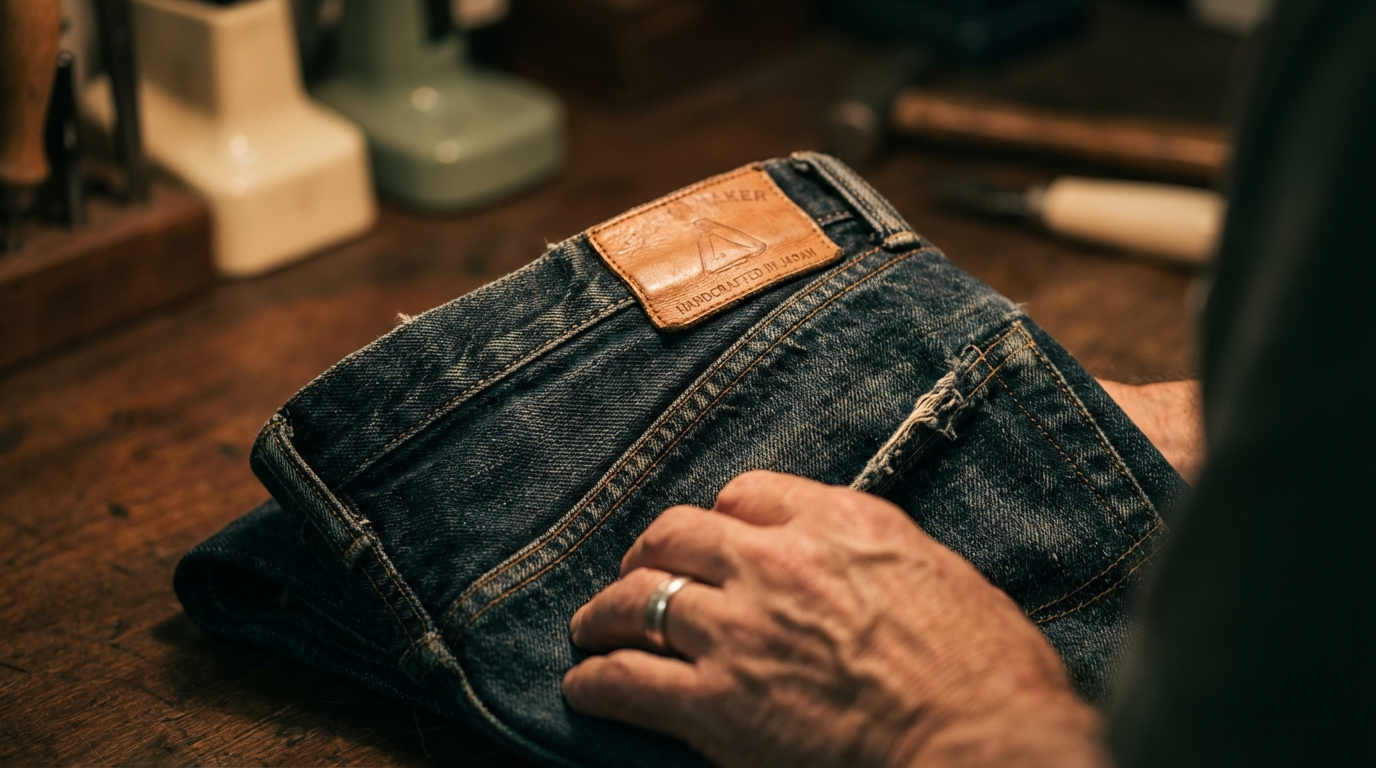
Unlike most categories, visible wear often increases denim value.
Good wear signs
- Natural fading and whiskering
- Soft, broken-in feel
- Honest wear patterns (knees, pockets, seat)
Bad condition signs
- Crotch blowouts (expensive to repair)
- Holes larger than a quarter
- Missing hardware or torn belt loops
- Stains that won't wash out
Minor repairs don't kill value if done well. Major reconstruction does.
How do I price and sell vintage denim?
eBay remains king for vintage denim. Use specific keywords: era, model number, waist/inseam measurements, selvedge, Big E.
For high-end pieces ($500+), consider consignment with a specialist like those on Etsy's vintage denim category or dedicated Instagram sellers.
Pricing tip: Search eBay's "sold" listings for your exact style and era. That's your market.
Key markers of true vintage Levi's include: selvedge denim (tightly woven edge visible when you roll the cuff), redline selvedge (red thread along that edge), single-stitch back pockets (pre-1971), Big E red tab (all caps "LEVI'S" changed to lowercase "e" in 1971), and real leather patch instead of paper or cardboard.
Vintage Levi's values vary by era: 1980s-90s 501s in good condition sell for $50-$150. 1970s pairs with intact leather patches and Big E tabs fetch $150-$500. 1960s Levi's in wearable condition command $500-$2,000. 1950s and earlier original 501XX jeans can sell for $2,000 or more.
For collectors, vintage denim typically means pre-1990—with the sweet spot being 1950s through early 1980s. Before the mid-1980s, manufacturers used different construction methods, fabrics, and hardware. These details—selvedge denim, specific stitching patterns, and era-appropriate hardware—are what collectors pay for.
Unlike most categories, visible wear often increases denim value. Natural fading, whiskering, and honest wear patterns add character. However, crotch blowouts, holes larger than a quarter, missing hardware, and permanent stains hurt value. Minor repairs don't kill value if done well; major reconstruction does.
The Bottom Line
Vintage denim rewards the informed buyer. The difference between a $30 pair and a $3,000 pair often comes down to a few details—tab lettering, stitching pattern, a red line on the cuff.
Learn the markers. Check the construction. And when you're not sure, use an appraisal app that knows the difference.