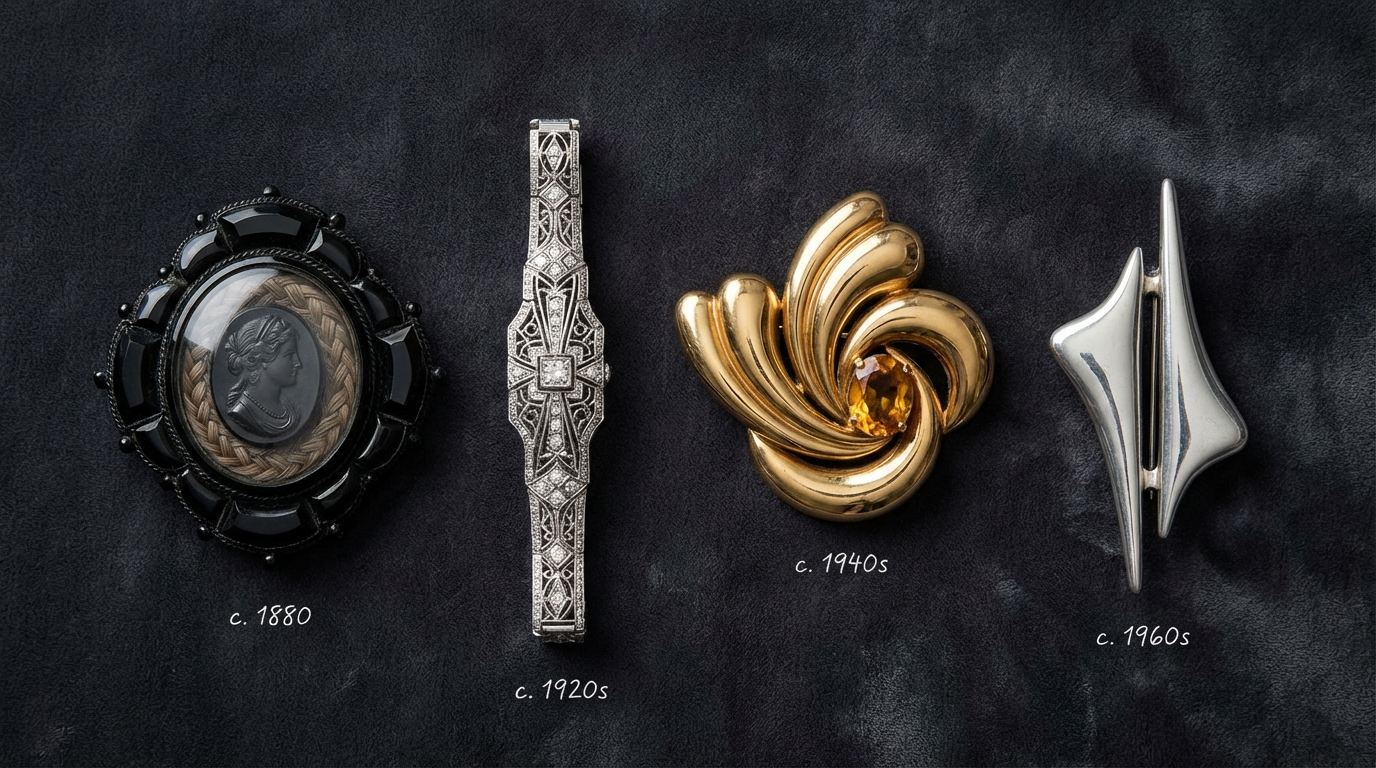
What "Vintage" Really Means (And Why It’s Misused)
“Vintage” gets slapped on everything from 1920s furniture to last year’s clearance. Here’s what the term means—and why it matters when you buy or sell.
"Vintage" means an item is 20 to 100 years old and reflects the style of its era—so today that's roughly anything made between the mid-1920s and the mid-2000s. Anything over 100 years old is "antique"; new items merely styled to look old are "retro," not vintage. The word gets stretched to sell almost anything, but the real definition is precise, and the distinction changes what a piece is worth.
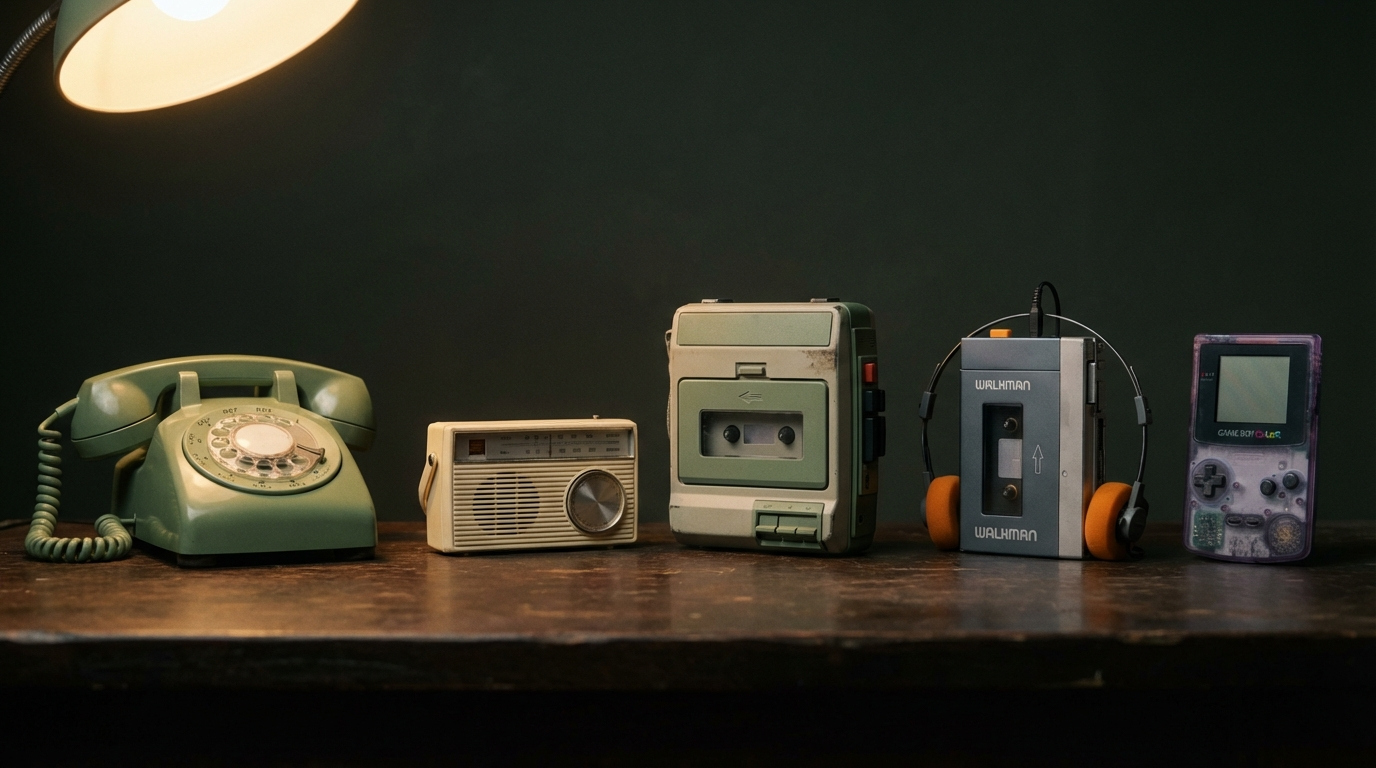
What does "vintage" actually mean?
Vintage: 20–100 years old. The piece should represent the style of its era. Right now, that legitimately covers roughly the mid-1920s through the mid-2000s. A piece from the 1990s can be vintage. A piece from 2018 cannot.
Antique: 100+ years old. More standardized—U.S. Customs officially defines antiques as items over a century old.
Retro: New items designed to look like older styles. That refrigerator with 1950s styling, made last year? Retro, not vintage.
Mid-Century Modern: 1945–1969. A specific subset of vintage with its own collector market and design language.
The key point: A piece from the 1990s can be vintage. A piece from 2018 cannot.
Why does the vintage distinction matter?
Using terms correctly affects three things:
Buyer Trust — When everything is labeled "vintage," buyers get skeptical. Accurate descriptions build credibility.
Search Visibility — Collectors search for specific eras. Mislabeling means your item doesn't appear in the right searches.
Pricing — A genuinely vintage piece from 1975 commands different prices than a 2010 reproduction.
How do sellers misuse "vintage"?


You'll see "vintage" applied to things it shouldn't be:
- Last season's styles — Not vintage. Just secondhand.
- "Vintage-inspired" new items — The word vintage shouldn't be in the title at all.
- Mass-market items from the 2010s — Secondhand, pre-owned, gently used. Not vintage.
- Anything the seller thinks looks old — Aesthetic isn't age.
This isn't always deceptive—sometimes sellers genuinely don't know. But it dilutes the term and makes it harder for everyone.
How do I date an item accurately?
If you're unsure whether something qualifies as vintage:
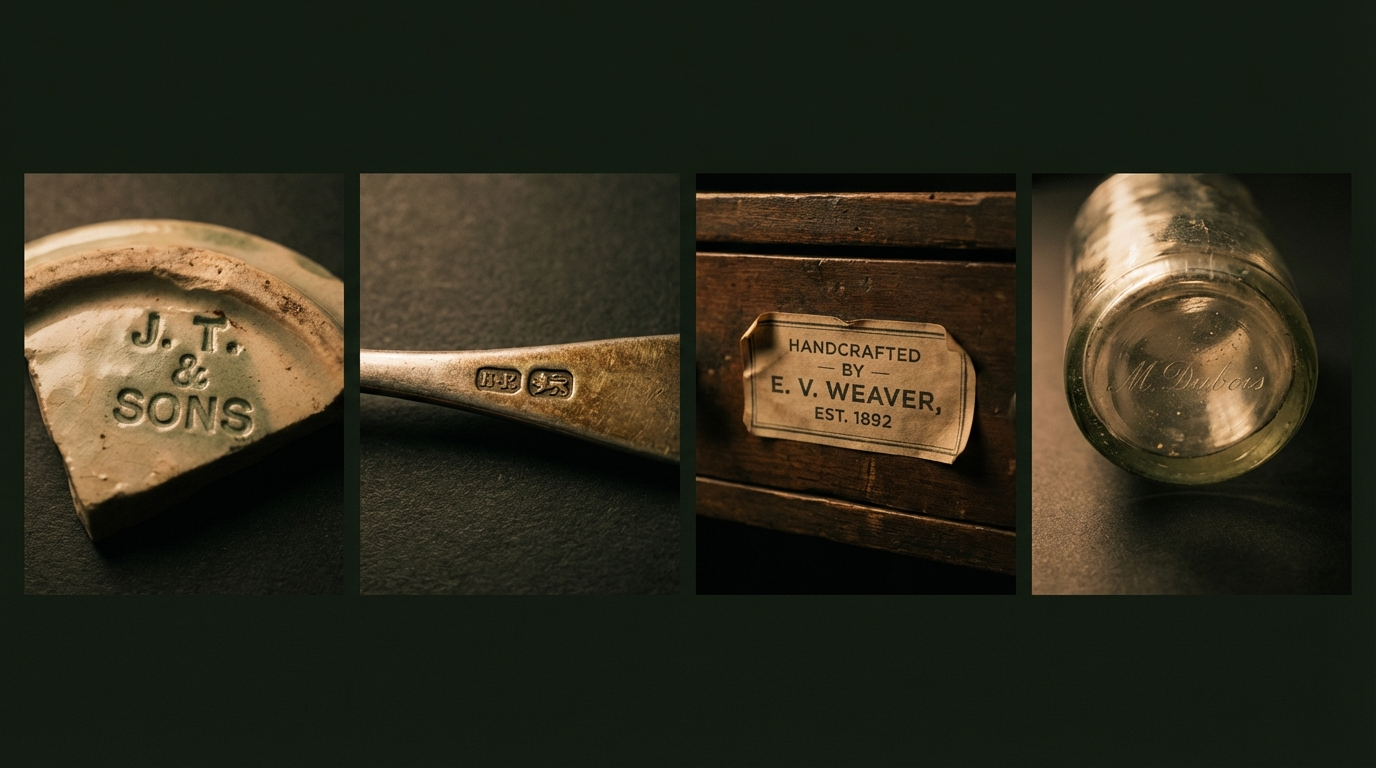
Check labels and tags. Care instructions, union labels, and copyright dates all provide clues. RN and WPL numbers on clothing can be searched in the FTC's RN database.
Look at construction. Materials and manufacturing techniques changed over decades. Plastic types, zipper styles, stitching methods—all datable.
Research the brand history. Many brands changed logos, labels, or locations over time. The specific version tells you when.
Use identification tools. AI appraisal apps can identify era based on visual details—construction, materials, design language—even without labels.
When in doubt, describe specifically. Instead of "vintage," say "1980s" or "circa 1995" if you can verify it. Precision builds trust.
When is it correct to call something vintage?
Use "vintage" when:
- The item is genuinely 20+ years old
- It represents the style or design language of its era
- You can reasonably verify or estimate its age
- The term helps buyers find what they're looking for
Skip it when:
- The item is simply used or secondhand
- It's a modern reproduction, even a good one
- You're not sure of the age
- "Pre-owned" or "secondhand" is more accurate
Vintage generally means 20-100 years old. The piece should represent the style of its era. Today, that legitimately covers roughly the mid-1920s through the mid-2000s. A piece from the 1990s can be vintage. A piece from 2018 cannot.
Vintage is generally 20-100 years old. Antique is 100+ years old—this is more standardized, as U.S. Customs officially defines antiques as items over a century old. Retro refers to new items designed to look like older styles. Mid-century modern specifically covers 1945-1969.
The generally accepted definition is 20 years or older. So today, items roughly 20 or more years old can legitimately be called vintage. The item should also represent the style or design language of its era—age alone isn't enough if the piece doesn't reflect period characteristics.
Using terms correctly affects buyer trust (accurate descriptions build credibility), search visibility (collectors search for specific eras, so mislabeling means your item doesn't appear in the right searches), and pricing (a genuinely vintage piece from 1975 commands different prices than a 2010 reproduction).
The Bottom Line
Words mean things. Using "vintage" correctly helps buyers find you, builds your credibility, and protects the value of genuinely old pieces.
When you list accurately, you attract informed buyers who pay fair prices—and avoid the ones who'll leave disappointed reviews when reality doesn't match the listing.