Is There an App That Tells You What Something Is Worth?
Yes—AI-powered appraisal apps can now identify objects and estimate resale value from a photo. Here's how they work and what to look for.
Yes. AI-powered apps can now identify items from photos and estimate what they're worth on resale markets.

You point your phone at something—a vintage jacket, a piece of furniture, a ceramic vase—and the app analyzes it, identifies what it is, and gives you a price range based on current market data.
Think of it like Google Lens, but trained specifically for resale. The technology has become genuinely reliable in the last couple of years. Here's how it works and what to look for.
How do appraisal apps work?
These apps use image recognition AI trained on millions of product images, auction records, and resale listings. When you scan an item, the AI:
-
Identifies the object type — Furniture, clothing, ceramics, electronics, etc.
-
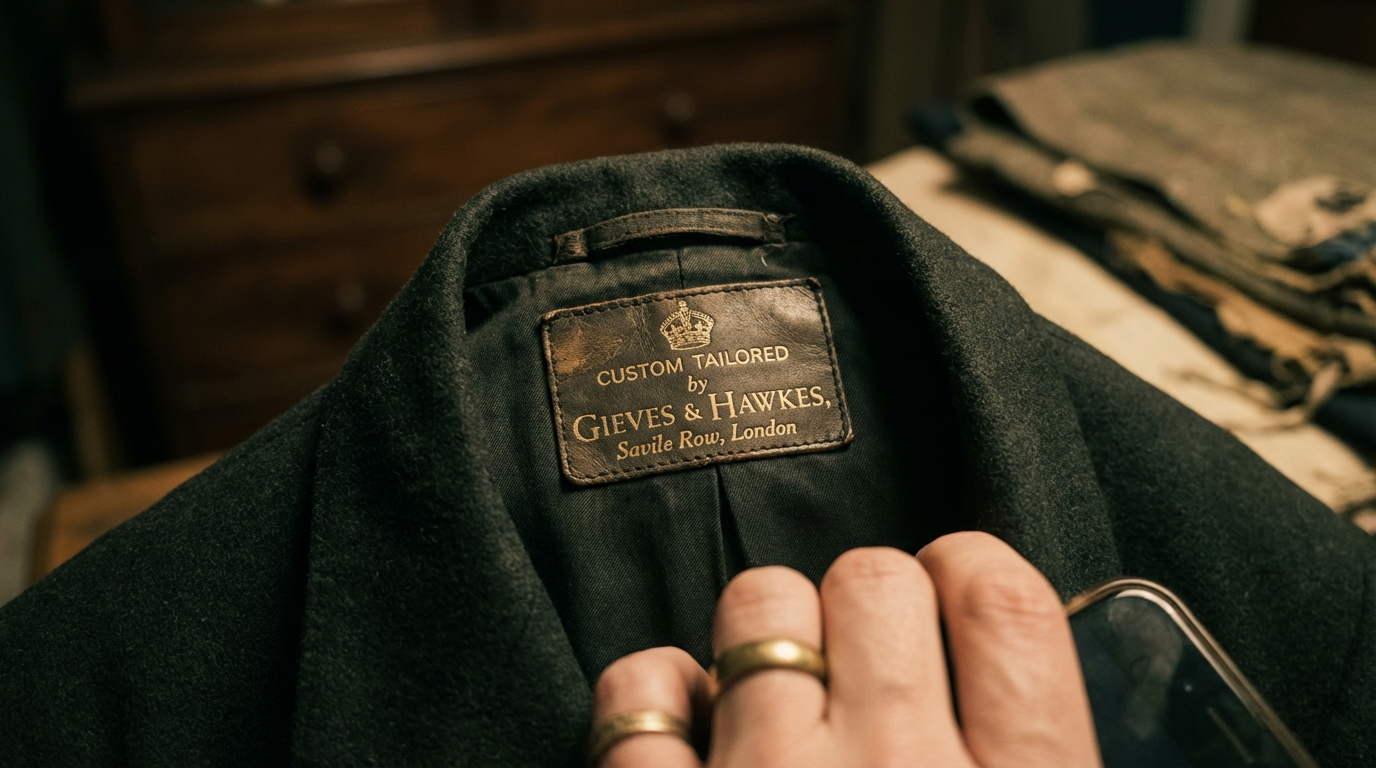
Recognizes brands, makers, and patterns — Logos, labels, maker's marks, distinctive design elements
-
Assesses condition with nuance — Visible wear, patina, damage—and whether those factors add or subtract value
-
Infers provenance and era — Based on construction, materials, design language
-
Pulls comparable sales data — What similar items actually sold for recently
-
Estimates a resale range — Based on all of the above
The best apps also tell you where to sell (eBay vs. Facebook Marketplace vs. specialty platforms) and flag items that might be especially valuable or hard to move.
What should I look for in an appraisal app?
Not all appraisal apps are equally useful. Key features that matter:
Accuracy across categories — Some apps only handle specific niches. For general thrifting and estate sale finds, you want broad coverage—furniture, clothing, art, collectibles, housewares.
Real market data — The estimate should be based on actual sold prices, not just listed prices. What people ask for and what things sell for are often very different.
Nuanced condition assessment — A mint-condition piece and a damaged one aren't worth the same—but sometimes wear adds value. The app should understand the difference.
Marketplace recommendations — Different items sell better on different platforms. An app that tells you where to list saves research time.
Listing help — The most useful apps generate descriptions, suggest pricing, and identify the details buyers care about.
Want to see how specific apps stack up on these criteria? We ranked the best antique identifier apps on identification accuracy, real sold prices, and listing support.
What can't appraisal apps do yet?
They're not formal appraisals. For insurance, estate, or high-value auction purposes, you still need a certified appraiser. AI apps give you market estimates for resale—not legal documentation.
Physical inspection limits. The AI can see what's in the photo. Internal mechanisms, hidden damage, or issues you haven't captured require hands-on inspection. Add more angles for better accuracy.
Truly unique items. If something is genuinely one-of-a-kind with no comparable sales, the estimate will be a range based on similar items. The app should flag when it's less certain.
For most resale purposes—deciding whether to buy something at a thrift store, pricing items for listing, understanding what you're looking at—AI appraisal is accurate enough to make smart decisions.
Yes. AI-powered apps like Patina can now identify items from photos and estimate what they're worth on resale markets. You point your phone at something—a vintage jacket, a piece of furniture, a ceramic vase—and the app analyzes it, identifies what it is, and gives you a price range based on current market data. Think of it like Google Lens, but trained specifically for resale.
These apps use image recognition AI trained on millions of product images, auction records, and resale listings. When you scan an item, the AI identifies the object type, recognizes brands and maker's marks, assesses condition, infers provenance and era from construction details, pulls comparable sales data, and estimates a resale range. The best apps also recommend where to sell.
For most items and everyday buying decisions, AI appraisal is accurate enough to act on. If you're at a thrift store deciding whether a $15 vase is worth buying, an AI estimate of $80-120 is the information you need. For moderate-value items ($50-500), AI provides solid answers. For potentially significant pieces ($500+), AI is a strong first screen—if the app flags something as potentially very valuable, that's your signal to research further.
Appraisal apps provide market estimates for resale, not formal appraisals for insurance or legal purposes—you'll need a certified appraiser for documentation. They can only assess what's visible in photos, so internal mechanisms or hidden damage require hands-on inspection. For truly unique one-of-a-kind items with no comparable sales, estimates will be ranges based on similar items.
The Bottom Line
If you've ever wondered "what is this worth?" while standing in a thrift store, at an estate sale, or staring at a closet full of old stuff—yes, there's an app for that now.
The right appraisal app can speed up your thrifting, improve your pricing, and help you spot genuine value in seconds.