Can AI Accurately Appraise Antiques and Collectibles?
AI can now identify and value antiques and collectibles with surprising accuracy. Here’s what the technology does well—and where human expertise matters.
AI can now identify most antiques and collectibles from photos and provide reliable resale estimates. The technology is comparable to what Google Lens does for products, but trained specifically on the visual language of vintage and antique items.
Here's what it can actually do.
What does AI appraisal do well?
Pattern recognition at scale — AI compares your item against millions of images from auction houses, resale platforms, and collector databases. It spots visual patterns—maker's marks, design elements, construction details—faster than any human could search.
Brand and maker identification — Logos, labels, signatures, and distinctive design languages are exactly what image recognition excels at. If your vintage jacket has a recognizable label, AI will identify it.
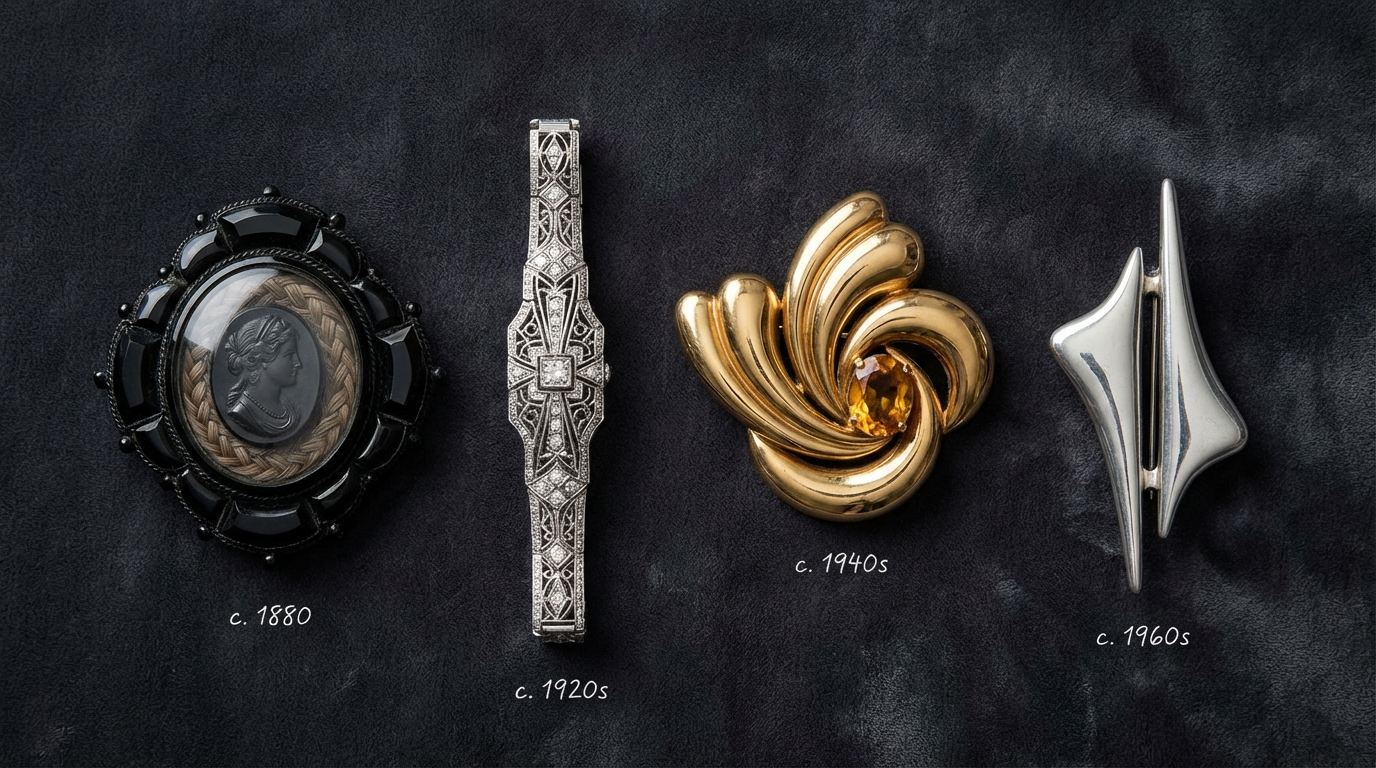
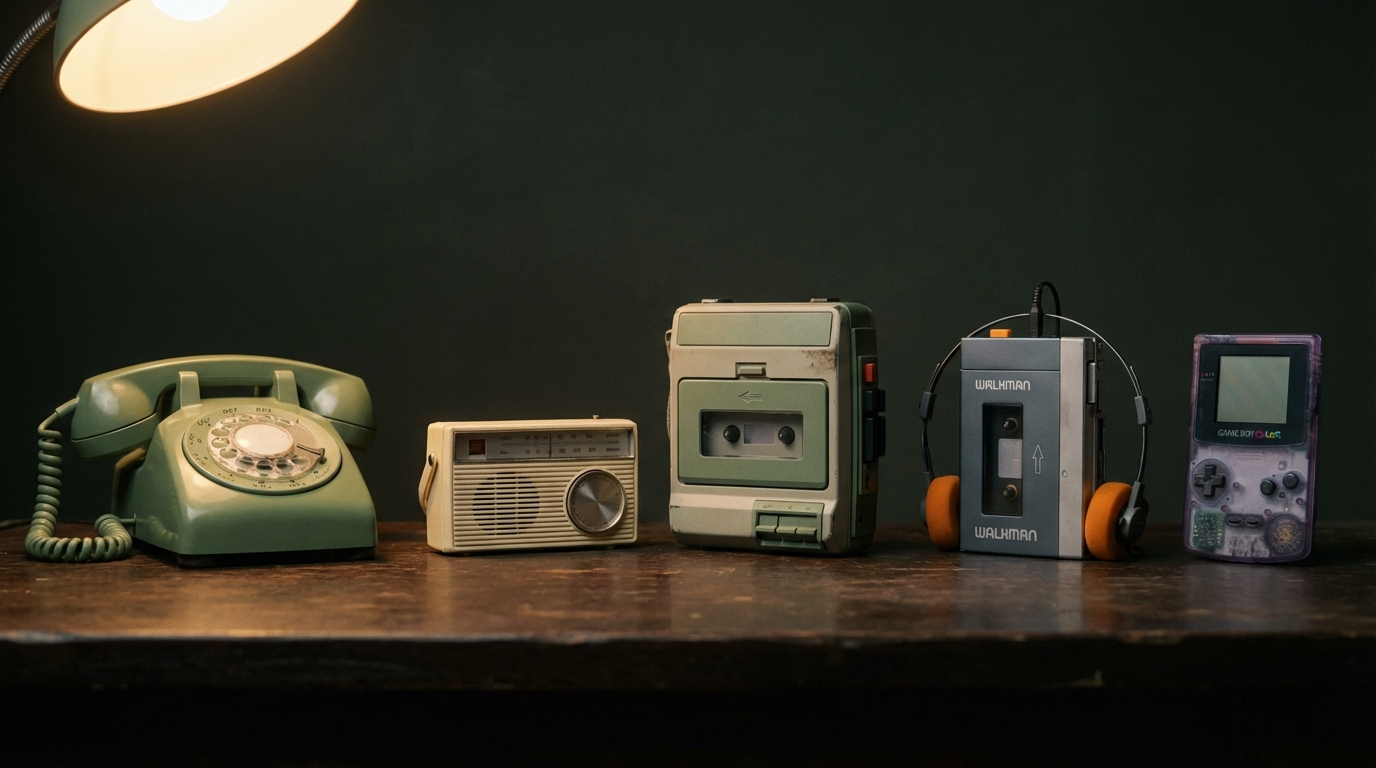
Style and era classification — Mid-century modern vs. Art Deco vs. Victorian—these have visual signatures AI can learn. It reliably places items in their correct period based on design elements.
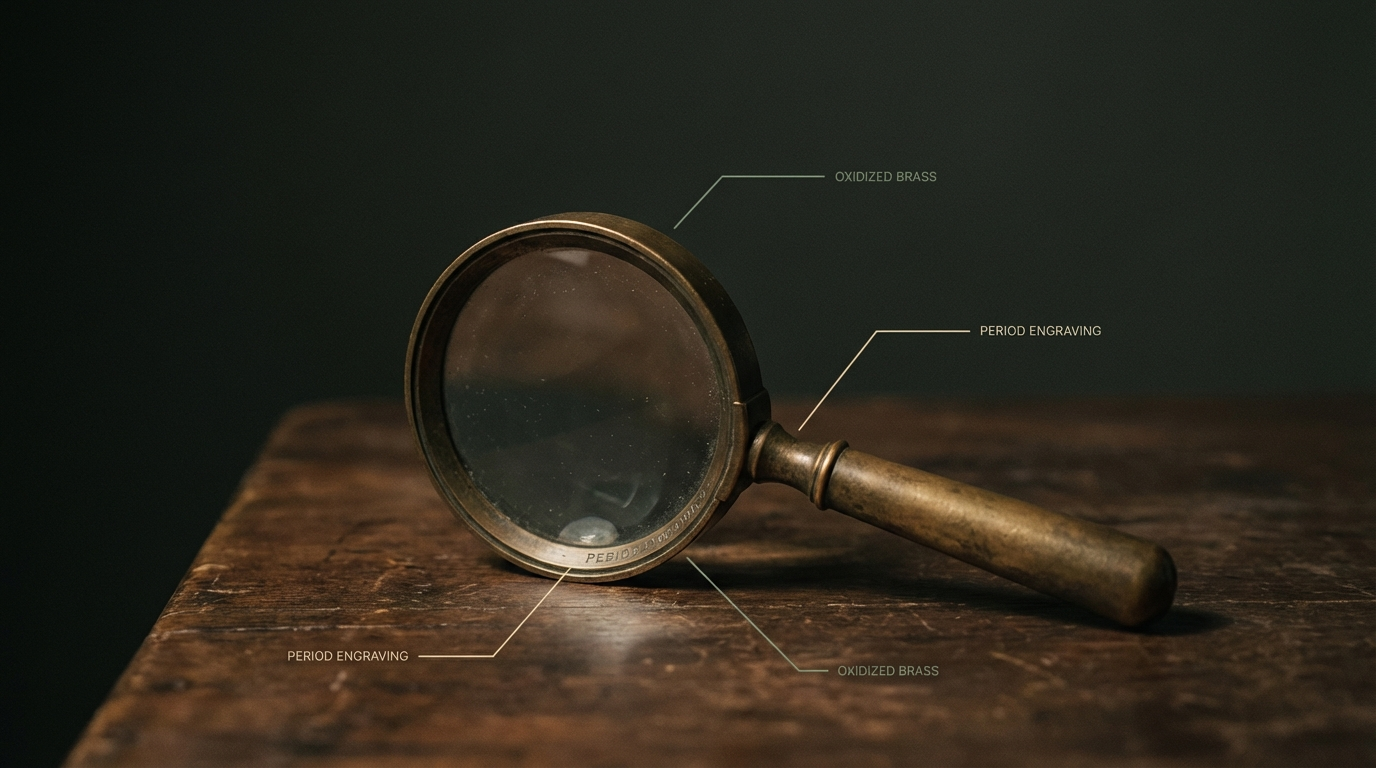
Nuanced condition assessment — Modern AI doesn't just flag "wear"—it understands context. Patina on brass adds value; scratches on electronics don't. Fading on vintage denim is desirable; fading on a modern jacket isn't.
Provenance inference — Based on construction methods, materials, hardware, and design language, AI can infer where and when something was likely made—even without explicit marks. It's reading the same contextual clues experienced dealers read.

Price range estimation — By pulling from actual sold listings, AI tells you what similar items have fetched recently. This is more reliable than guessing or finding only asking prices.
How does AI appraisal compare to human experts?
For most categories and value ranges, AI appraisal is now comparable to a knowledgeable generalist dealer.
Where AI matches or exceeds
- Recognizing maker's marks across thousands of manufacturers
- Pulling current market data instantly
- Consistent assessment across categories (no blind spots)
- Speed—seconds vs. minutes of research
Where specialists still excel
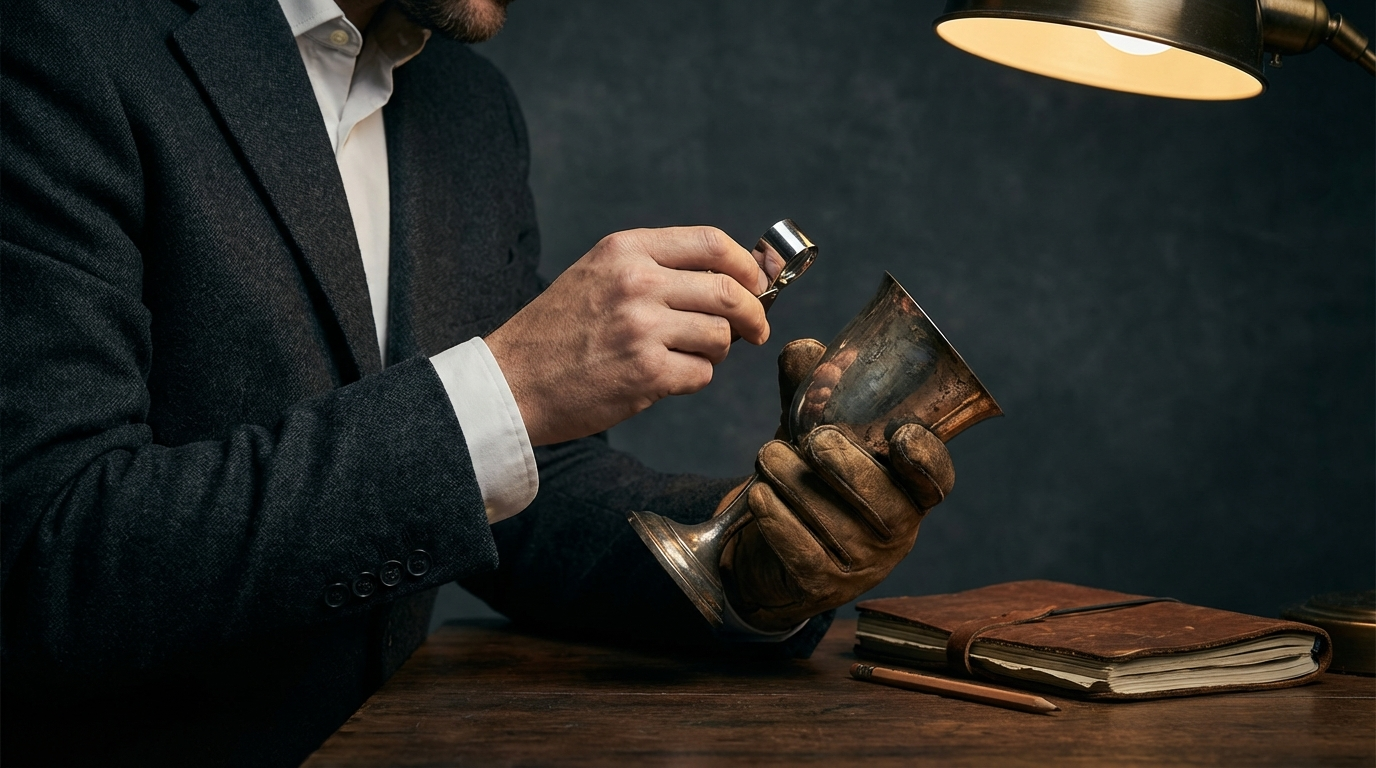
- Physical examination (weight, texture, sound, smell)
- Authenticating high-stakes pieces where sophisticated fakes exist
- Recognizing extremely rare items with minimal comparable data
- Narrative value (documented provenance, celebrity ownership)
The practical takeaway: AI handles the 90% of identification and pricing work that used to require either expertise or research time. For the top 10%—the genuinely rare, valuable, or authentication-sensitive pieces—it flags them for deeper attention.
Not every app flags those cases equally well. We compared the best antique identifier apps on accuracy and real sold-price data to see which ones you can trust.
How do I use AI appraisal effectively?
How to act on AI appraisals depends on what you're doing and what value range you're dealing with.
AI says $50-100 → List confidently
AI says $100-500 → Cross-reference with quick eBay sold search if you want confirmation
AI says $500+ → Research further or consult a specialist
AI flags as rare/uncertain → More investigation needed
For everyday buying decisions
AI appraisal is accurate enough to act on. If you're at a thrift store deciding whether a $15 vase is worth buying, an AI estimate of $80-120 is the information you need.
For pricing your listings
AI pulls from actual sold data, not asking prices. That's better intel than most manual research provides.
For insurance or legal purposes
AI estimates are market valuations, not formal appraisals. You'll need a certified appraiser for documentation.
Yes, for most items and value ranges. AI appraisal is now comparable to a knowledgeable generalist dealer. It excels at pattern recognition, brand identification, era classification, and pulling current market data instantly. For everyday buying decisions and items in the $50-500 range, AI provides solid answers. For potentially significant pieces ($500+), AI is a strong first screen that tells you when to dig deeper.
AI appraisal apps use image recognition trained on millions of images from auction houses, resale platforms, and collector databases. When you scan an item, the AI spots visual patterns—maker's marks, design elements, construction details—faster than any human could search. It compares your item against this database to identify what it is and pulls comparable sales data to estimate value.
AI excels at pattern recognition at scale, brand and maker identification, style and era classification, nuanced condition assessment (understanding when patina adds value vs. when wear hurts it), provenance inference from construction details, and price range estimation based on actual sold listings. Speed is a major advantage—seconds vs. minutes of manual research.
Human specialists still have an edge for physically examining items (weight, texture, sound, smell), authenticating high-stakes pieces where sophisticated fakes exist, recognizing extremely rare items with minimal comparable data, and assessing narrative value like documented provenance or celebrity ownership. AI handles 90% of identification work; humans handle the top 10%.
No. AI estimates are market valuations for resale purposes, not formal appraisals. For insurance documentation, estate settlement, or legal purposes, you'll still need a certified appraiser. AI is best used for everyday buying decisions, pricing your listings, and as a first screen for potentially valuable pieces.
The Bottom Line
AI antique appraisal works. Not as a replacement for deep expertise on rare items, but as a powerful tool that handles most identification and pricing faster and more consistently than manual research.
For thrifting, estate sales, and closet cleanouts, it's accurate enough to act on. For potentially significant finds, it's the first step that tells you when to dig deeper.
The technology keeps improving. Right now, it's already good enough to change how you shop and sell.