What Patina Means, and Why Collectors Pay More
Patina isn't damage—it's proof of age and authenticity. Learn why collectors pay premiums for naturally aged surfaces and when patina adds (or subtracts) value.
Patina is the surface change that happens when materials age—oxidation on metal, wear patterns on leather, the mellowing of wood. It's not damage. It's biography.
And for many collectibles, it's worth money.
Why does patina matter to collectors?
Think of patina like a car's mileage—except sometimes higher mileage is the point.
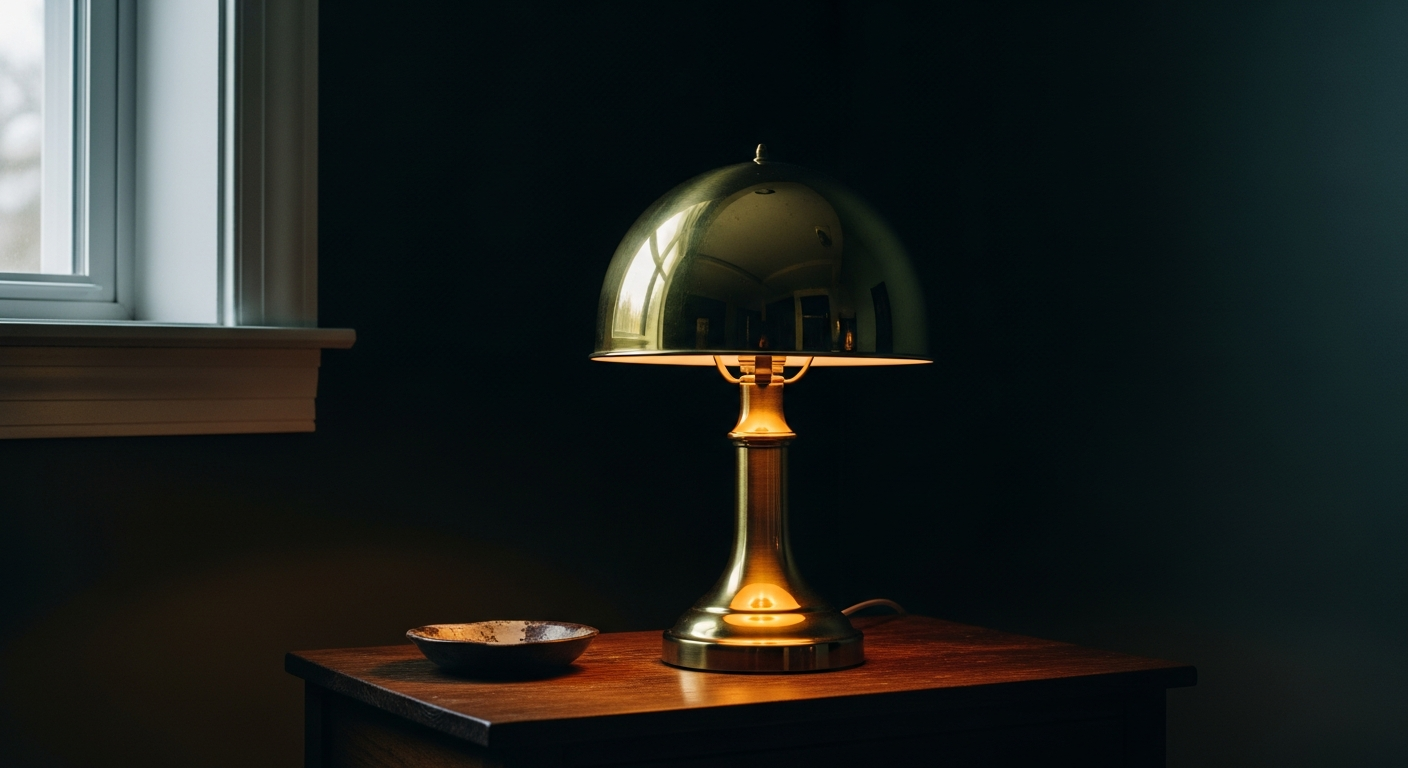
A polished-to-new antique brass candlestick might look shinier, but collectors often see it as stripped of character. The original surface is gone. The history has been buffed away.
Patina proves three things:
- Age: Oxidation and wear take time
- Authenticity: Fakes rarely get the aging right
- Survival: The piece wasn't over-restored
For certain categories—bronze sculptures, vintage leather, copper cookware, wooden furniture—original patina commands a premium.
When does patina add value?
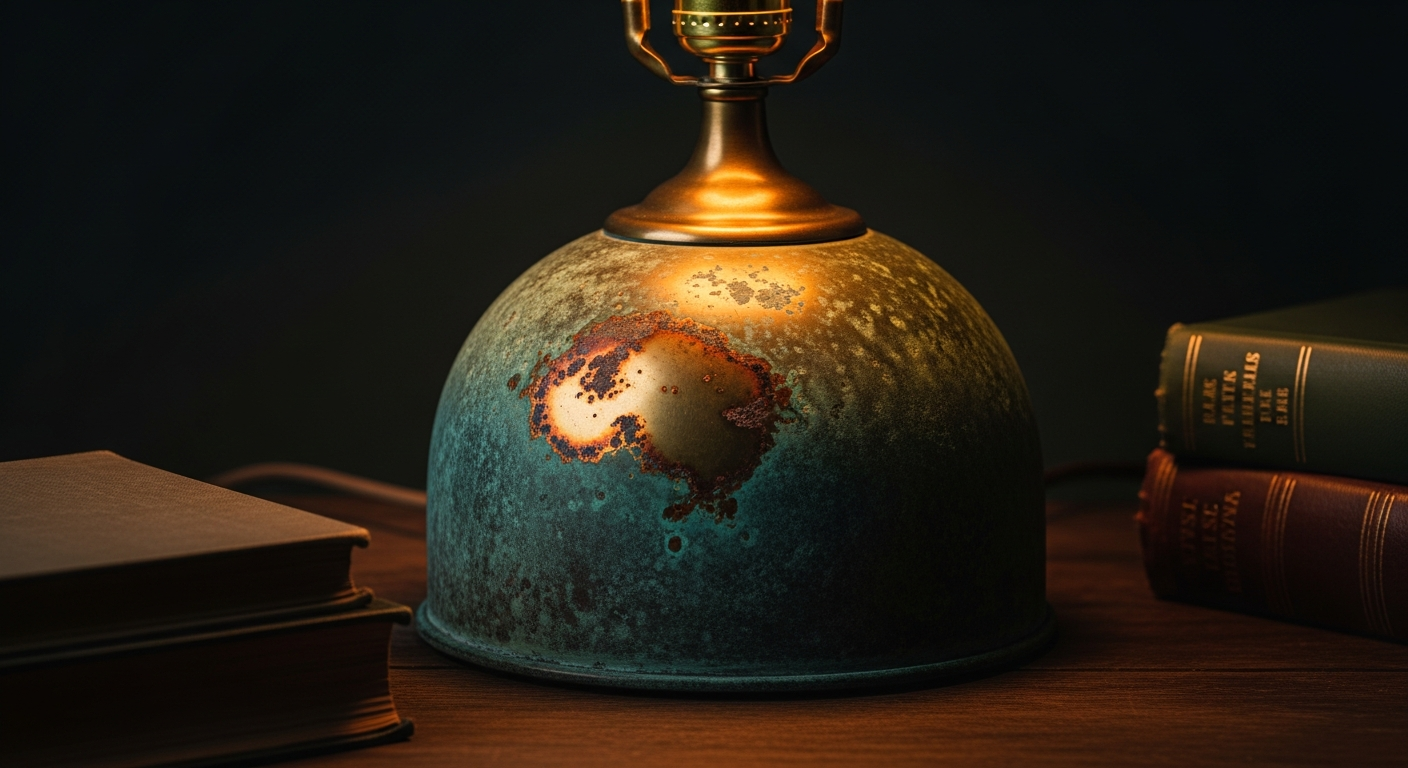
Bronze and brass: That green-brown oxidation? Collectors call it "desirable" on antique pieces. Cleaning it off can cut value by 50% or more.
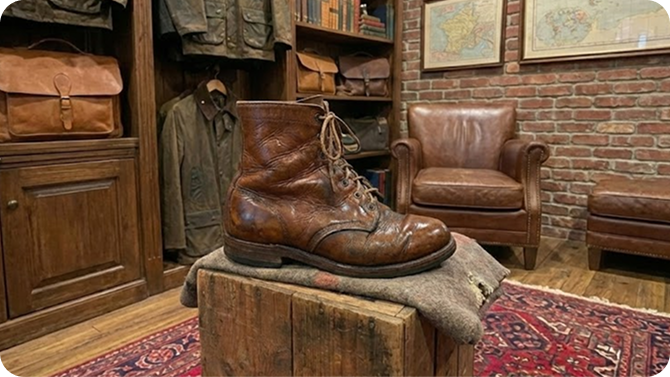
Leather goods: Vintage bags and jackets develop unique wear patterns. A broken-in patina on a Coach bag from the 1970s is a selling point, not a flaw.
Wood furniture: The darkening and smoothing of handles, edges, and surfaces signals authentic age. Refinishing erases it—and often the value with it.
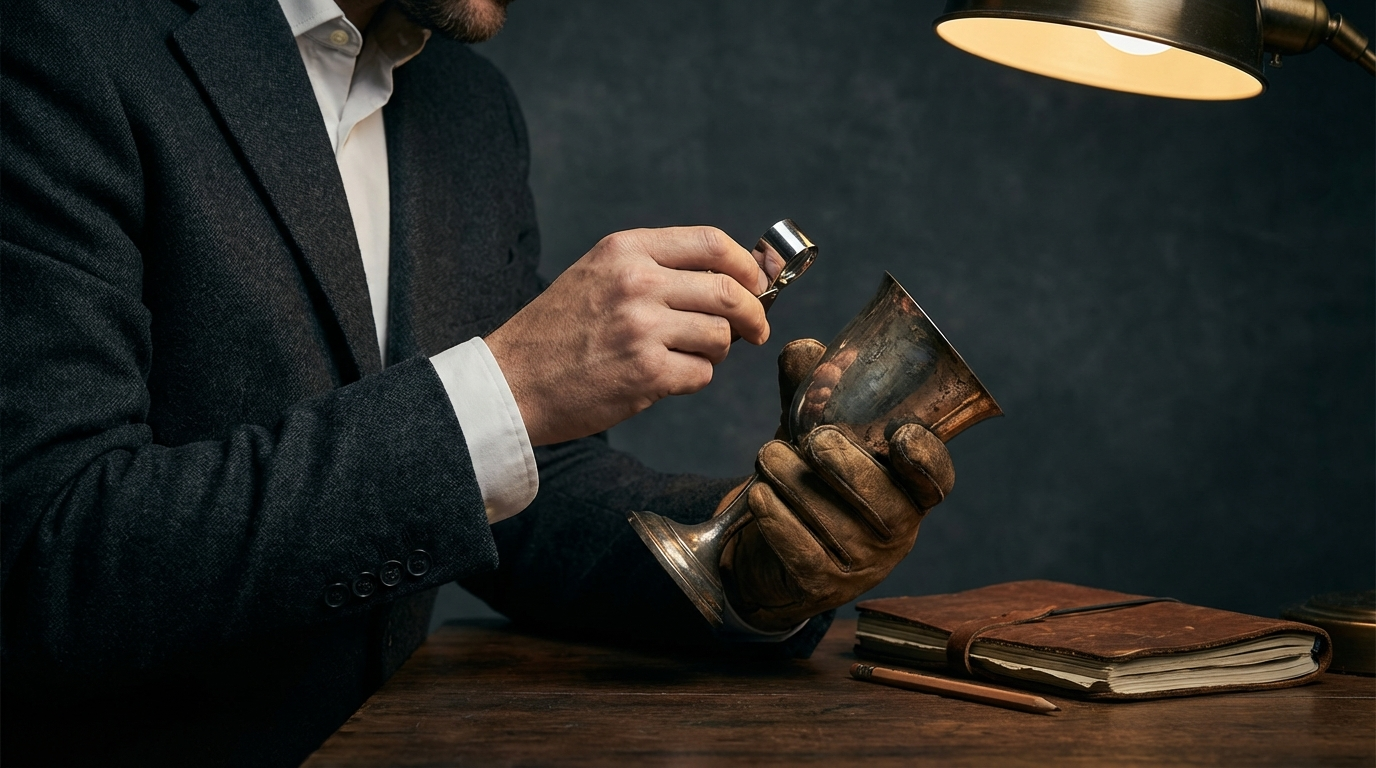
Copper and silver: Tarnish tells a story. Many buyers specifically seek the warm glow of aged copper over bright, polished surfaces. Collector price guides like Kovels consistently reflect this premium for original, unpolished surfaces.
When does patina hurt value?
Not all aging is desirable:
Active corrosion: There's a difference between stable oxidation and ongoing decay. Rust eating through iron isn't patina—it's deterioration.
Obscured details: If the aging hides important features (signatures, maker's marks, decorative elements), it becomes a liability. Though with the right lighting and angles, marks can often still be read.
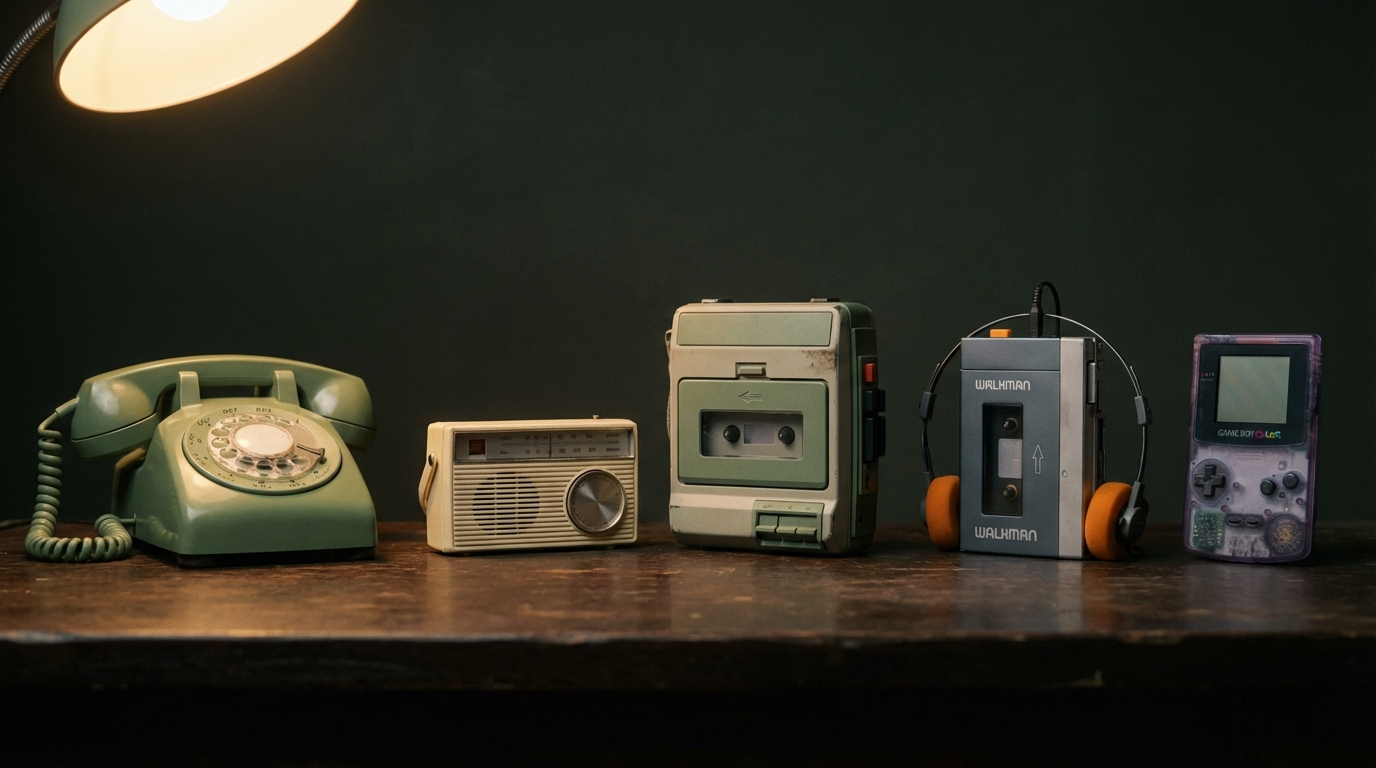
Wrong category: Modern collectibles, sneakers, and electronics typically lose value with wear. A vintage IBM keyboard with yellowed plastic isn't charming—it's just old.
Inconsistent aging: Patina that only appears in some spots can signal repairs, replaced parts, or fakes.
How do I describe patina in a listing?
When you're selling something with desirable patina, name it explicitly:
- "Original aged brass patina intact"
- "Natural leather patina from decades of use"
- "Untouched surface with period-appropriate oxidation"
Don't apologize for it. The right buyer is looking for exactly this.
Patina is the surface change that happens when materials age—oxidation on metal, wear patterns on leather, the mellowing of wood. It's not damage. It's biography. For many collectibles, Patina is proof of age, authenticity and survival that can significantly increase value.
For certain categories—bronze sculptures, vintage leather, copper cookware, wooden furniture—original patina commands a premium. However, active corrosion, obscured details, or inconsistent aging can hurt value. The category and specific item context determine whether patina helps or hurts.
Usually no. Cleaning patina off bronze or brass antiques can cut value by 50% or more. A polished-to-new antique might look shinier, but collectors often see it as stripped of character. Before you clean, polish, or restore an antique, ask: am I erasing value? Often, the answer is yes.
The Bottom Line
Patina is proof that something survived. For the right items, that proof is worth real money.
Before you clean, polish, or restore an antique, ask: am I erasing value? Often, the answer is yes.