Are Your Old CDs Worth Money? The Rare Pressings
Most CDs are worth $0.50–$2. But withdrawn releases, first pressings, and audiophile gold discs sell for hundreds. Here’s how to tell what you have.
How much is a CD collection actually worth?
One collector took 350 CDs to Amoeba Records — a respected independent shop — and walked out with $115 in store credit, $25 cash, and 80 rejected discs they wouldn't take at any price. That's roughly $0.40 per accepted CD. That's the reality for most collections.
But here's the other side. A recalled Nirvana single from 1994 regularly sells for $600–$1,560. A Prince promo CD went for $8,875. A Gorillaz promotional pressing from Brazil fetched $7,110. And a Banksy-altered Paris Hilton album — 500 copies quietly placed on store shelves — trades between $1,000 and $10,000.
The difference isn't the music. It's the pressing. The same album can exist as a $0.50 standard issue and a $3,000 promotional copy. Knowing how to tell them apart is the entire game.
Which CDs are actually worth money?
Withdrawn and recalled releases
This is the highest-value category. When a label destroys most copies of a pressing, surviving discs become instantly rare.
Nirvana — "Pennyroyal Tea" single (Geffen, German pressing). Scheduled for April 1994 release, pulled and largely destroyed after Kurt Cobain's death on April 5th. German copies that escaped the recall sell for $600–$1,560. Only one confirmed genuine UK promotional copy exists.
Prince — The Black Album. Recorded in 1987, Prince demanded the master tapes destroyed just days before release, reportedly calling the album "evil." A small number of promotional copies survived. Those promos trade for $3,000–$8,875 — one sold for the high end in 2021.
Michael Jackson — "Smile" single. Released and withdrawn in Austria. Surviving copies sell for over $1,500.
The pattern: an artist or label decision abruptly halts distribution, most copies are destroyed, and the few that survive carry the full weight of the album's cultural significance concentrated in a handful of physical objects.
First pressings and limited editions
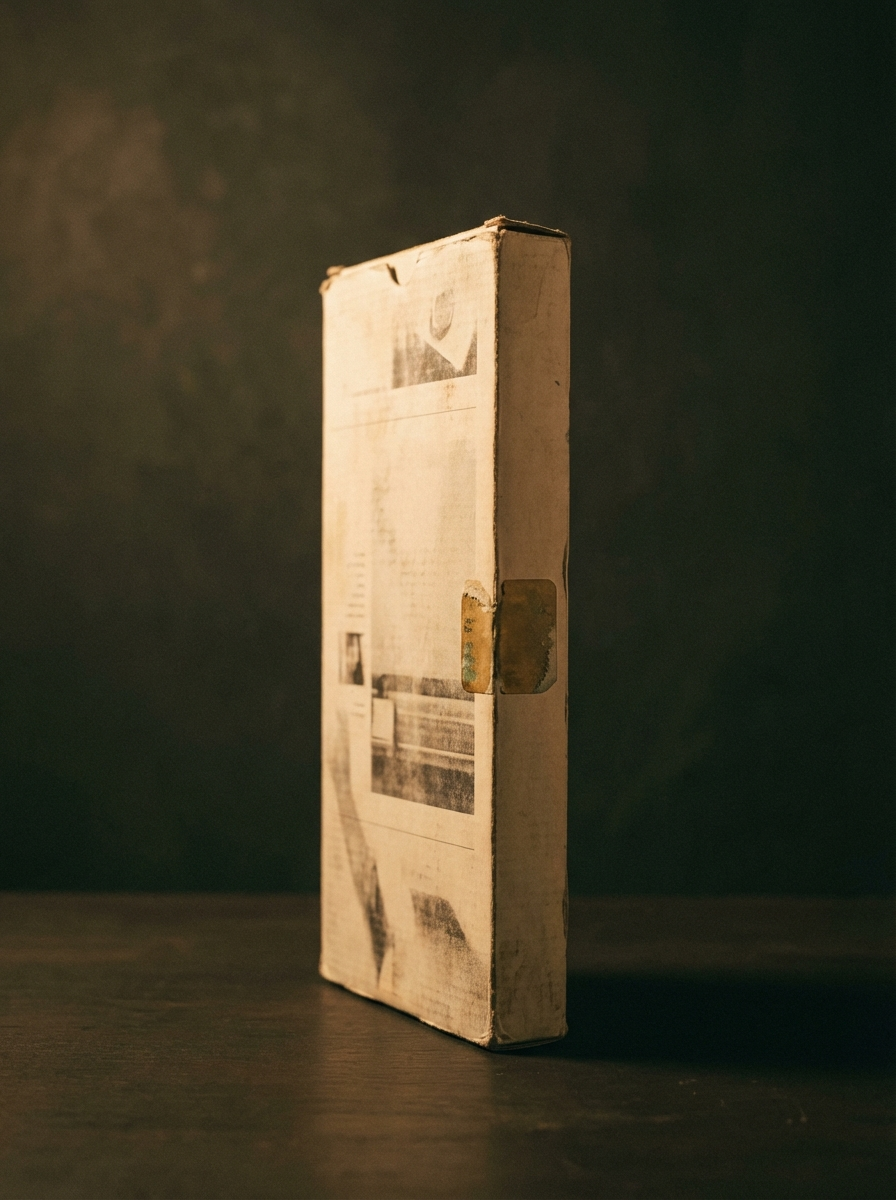
Nirvana — Nevermind (1991, DGC-24425, longbox). A sealed copy in AMG Grade 10 with promo materials sold for $3,500 in February 2025. Sealed first-edition copies with original hype stickers bring around $500. The longbox packaging — tall cardboard sleeves used before 1993 — is the visual giveaway for early pressings.
Coldplay — "Safety" EP (May 1998). Only 500 copies made, 150 available to the public. This was the band's debut release before anyone knew who they were. Worth approximately $2,500.
Eminem — Slim Shady EP (1997). Limited pressing of 500 copies, released before Eminem signed with Aftermath. Range: $500–$2,500. Sealed copies have been listed at $10,000.
Slipknot — Mate. Feed. Kill. Repeat. (1996). The band's self-produced demo album, pressed in roughly 1,000 copies before their major label debut. A significant rarity for metal collectors.
Smashing Pumpkins — Mellon Collie and the Infinite Sadness (original box set pressing). Discogs sales range from $240 to $1,697, with a median of $642 as of early 2025.
Promotional copies
Labels distribute promotional CDs to radio stations, reviewers, and industry contacts. They're typically marked "Promotional Copy — Not for Resale" on the disc or case. Most promos are worth $5–$30. But when the artist is iconic and the promo pressing is tiny, values can be extraordinary.
Prince — My Name Is Prince (Japan, 1993): Only 50 promo copies. Worth up to $5,000. Gorillaz — "Feel Good Inc" (Brazilian EMI promo): Sold for $7,110 in October 2020. Oasis Collectors Single Box Set: $7,258 in November 2020. Bruce Springsteen — The Future of Rock and Roll (Japan, 1988): Up to $2,200.
Japanese pressings
Japanese CD manufacturing was known for superior quality — tighter quality control, higher-grade disc materials, and additional liner notes. Japanese pressings also include OBI strips (the paper band wrapped around the spine) which are collectible on their own. Losing the OBI strip can cut the value significantly.
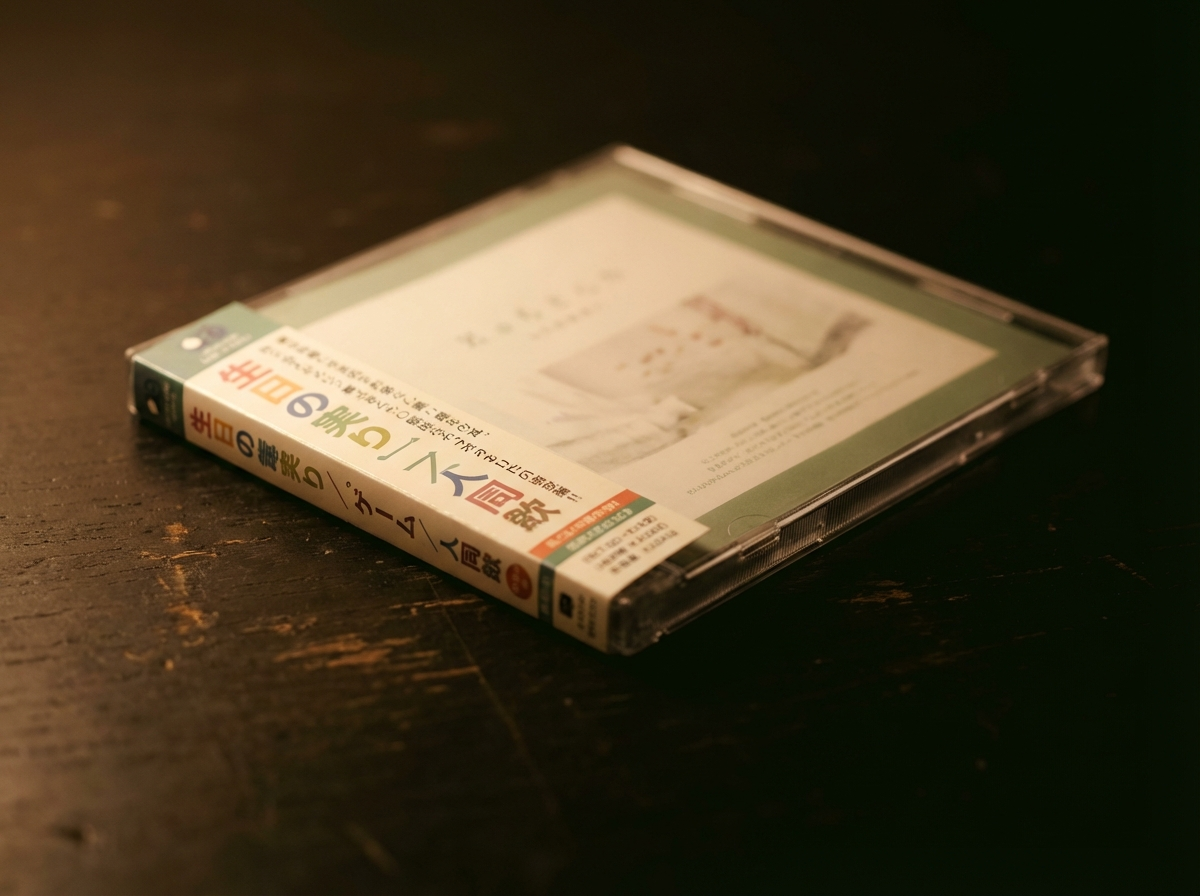
Notable examples: Pink Floyd's Wish You Were Here on Sony (catalog 35DP-4) sells for $500–$1,500. Rolling Stones Steel Wheels Japan Tour 1990 goes for over $2,000. Even standard Japanese pressings of popular albums often carry a $20–$50 premium over their US counterparts.
Audiophile gold discs
Mobile Fidelity Sound Lab (MFSL) pressed 24-karat gold "UltraDisc" editions of classic albums, originally priced at $29.99. They now sell for $40–$400 per title. Key releases include Pink Floyd's Dark Side of the Moon and Rush's Moving Pictures.
One caveat worth noting: in 2022, it was revealed that MFSL had used DSD digital files rather than purely analog masters for roughly 60% of their titles since 2011. This sparked a class-action lawsuit and shook the audiophile community. Prices dipped initially but have largely stabilized — the gold discs remain collectible regardless of the mastering controversy.
How do I identify a valuable pressing?
Matrix numbers: the fingerprint of every disc
Look at the mirrored inner ring of the disc, near the center hub. You'll see etched or stamped characters — this is the matrix number. It identifies exactly which pressing plant produced your disc and often which pressing run it belongs to. Lower numbers or specific plant codes can indicate first pressings.
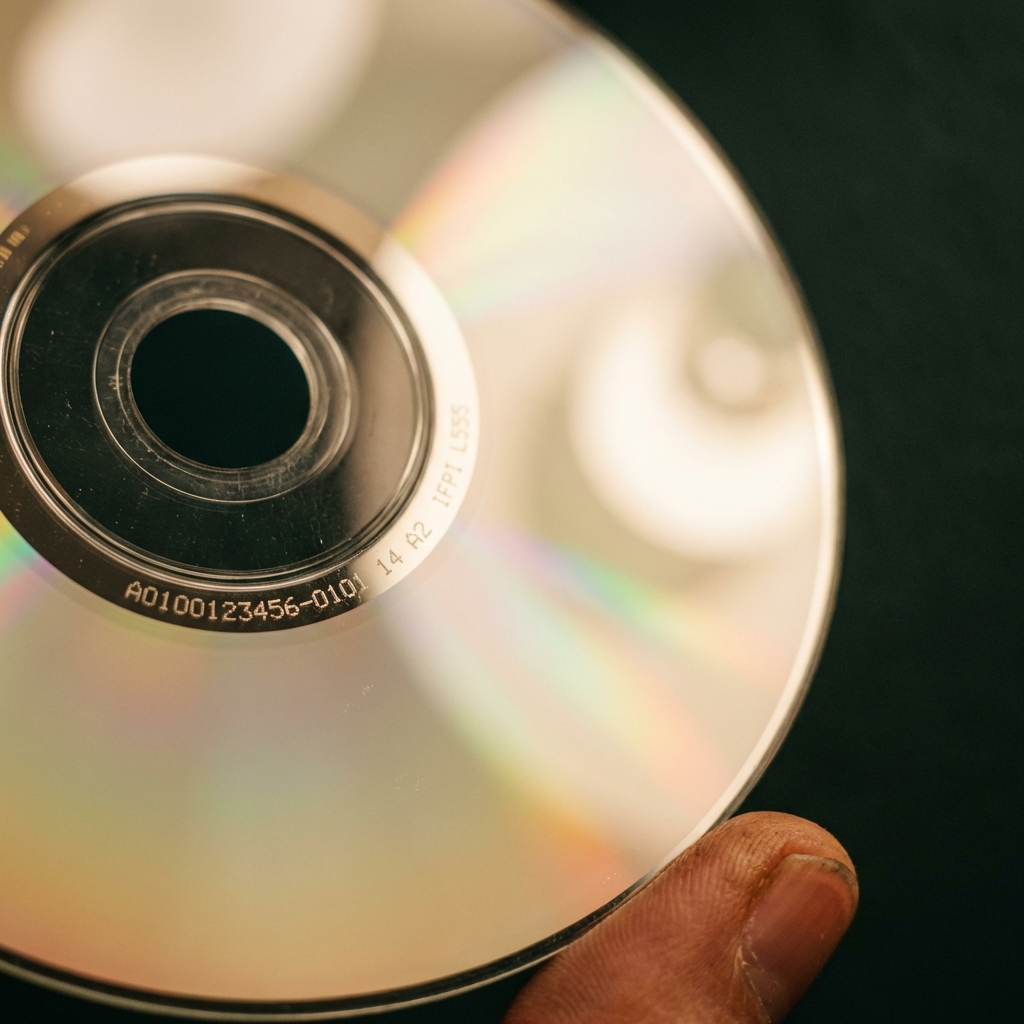
SID codes (Source Identification Codes) appear as "IFPI" followed by alphanumeric characters. One identifies the glass mastering plant, another identifies the pressing plant. These were introduced in 1994, so their absence on a major label release suggests a pre-1994 pressing.
The Discogs method: Find the catalog number on the spine or back of the jewel case. Search it on Discogs. Compare your disc's matrix numbers and SID codes to the database entries. Discogs catalogs millions of pressings with detail that's almost obsessive — and it's free to use.
Other identification markers
Longbox packaging. Before early 1993, CDs were sold in tall cardboard boxes that fit the same shelf space as vinyl LPs. If you have an unopened CD in a longbox, you have an early pressing. Period.
Country of manufacture. "Made in West Germany" means pre-1990. "Made in Japan" carries a premium for many titles. Early US pressings from specific plants (like the PDO facility in Terre Haute, Indiana) are sought after for classic rock and jazz titles.
"Promotional Copy — Not for Resale" stamped on the disc or printed on the case indicates a promo. Most are low-value, but for the right artist and the right era, promos can be the scarcest version available.
Which genres have the most collectible CDs?
Heavy metal and black metal produce disproportionate rarities. Underground labels pressed tiny runs — 100 to 1,000 copies — for bands that sometimes became culturally significant. Deathlike Silence Productions released only nine titles, and all of them are expensive.
Hip-hop is strong for promotional copies and small-label releases. Underground G-Funk CDs from labels pressing a few hundred copies have become valuable as the genre's history gets documented and collected. Early Eminem, Kanye promos, and regional rap from the 1990s all have active markets.
Alternative and indie benefit from limited runs on labels like Sub Pop and early Creation Records. Demo CDs and debut EPs from bands that later became famous are the sweet spot.
Electronic music has notable rarities from labels like Fax Records and from artists like Coil, whose limited releases are increasingly sought after.
Classical is generally the least collectible genre for CDs, but out-of-print recordings on Deutsche Grammophon, Decca, and EMI can bring $15–$60 or more — especially box sets of rare performances.
Which CDs aren't worth much?
Mass-produced 1990s pop. Backstreet Boys, Britney Spears, *NSYNC — standard pressings are worth $0.25–$1.00. Millions were produced and millions survive.
Standard pressings of classic rock. A regular jewel case copy of Dark Side of the Moon or Led Zeppelin IV sold in such massive quantities that there's no scarcity to drive prices.
Amazon third-party prices are misleading. Sellers list common out-of-print CDs at wildly inflated prices — $50, $100, sometimes more. These almost never sell. Always check eBay "sold listings" or Discogs sale history for prices people actually paid.
"Old" doesn't mean "rare." A 1988 CD that sold five million copies isn't scarce. A 1997 EP pressed in 500 copies is. Production quantity matters far more than age.
Where can I sell valuable CDs?
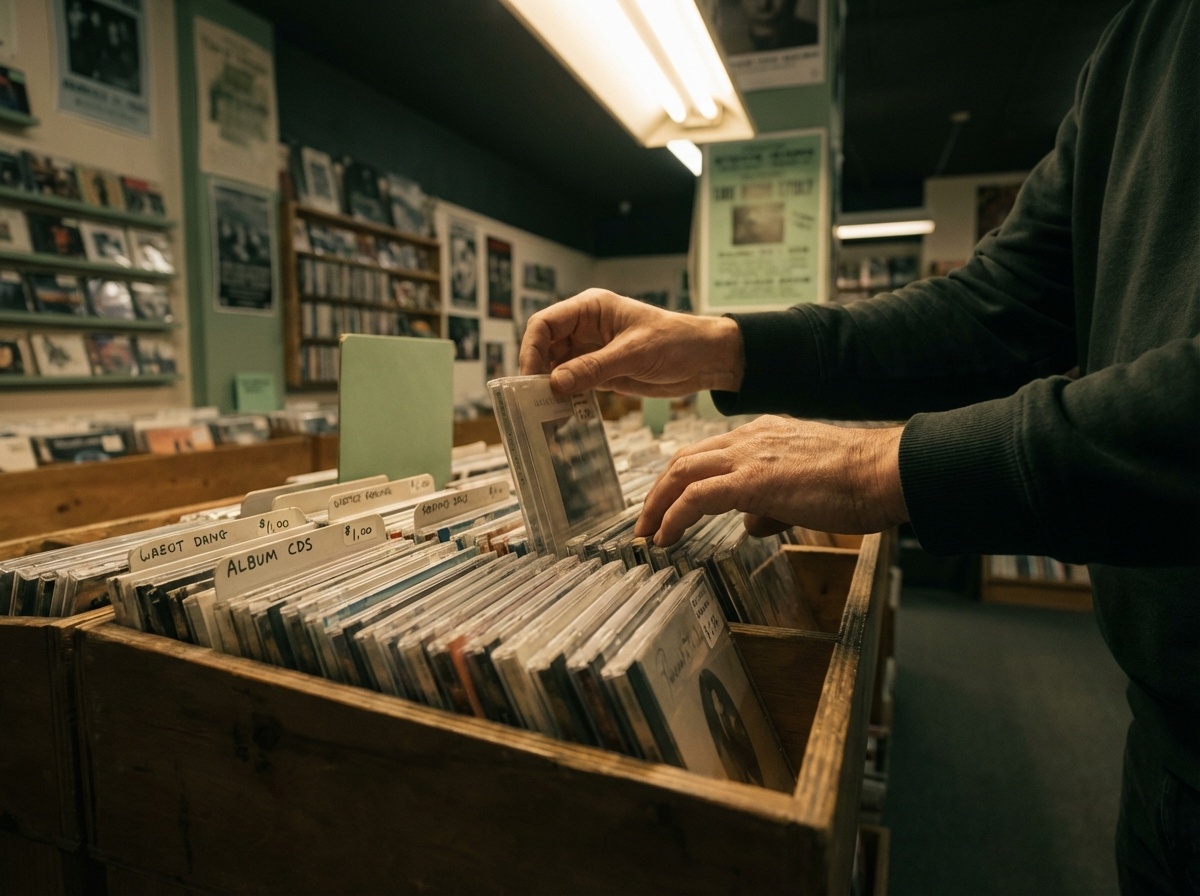
Discogs is the center of gravity. CDs are the platform's second most-purchased format, accounting for 21% of all sales. The database lets you identify your exact pressing, check recent sale prices, and list directly to a knowledgeable buyer base. It's free to create a seller account.
eBay offers the widest reach for individual valuable CDs. Always use the "sold listings" filter to price accurately — asking prices mean nothing without completed sales to back them up.
Heritage Auctions handles high-end music collectibles. For CDs potentially worth $500 or more, their consignment process puts your item in front of serious collectors.
For bulk common CDs: local record stores are the most practical option, though expectations should be modest ($0.25–$1 per disc on average). Decluttr lets you scan barcodes for instant quotes. Facebook Marketplace works for lot sales in your area.
Pricing research tools: Discogs (free, real-time sale history), ValueYourMusic.com (archives 34 million sold auctions), and eil.com/RareVinyl.com (UK-based specialist with 30+ years of pricing data).
Why are CDs gaining value now?
US CD sales increased 3.3% in 2024, reaching nearly 17 million units and generating $541 million in revenue. Interest in music CDs on Google Trends rose 40% between 2024 and 2025. This isn't a fluke — it's a trend with identifiable drivers.
Gen Z is leading the revival. Forty-three percent of CD buyers are now under 35, drawn by affordability compared to vinyl (a new CD typically costs $10–$15 versus $25–$40 for vinyl), Y2K nostalgia, and the tangible appeal of physical media in a streaming-dominated era. Taylor Swift's The Tortured Poets Department alone sold 2.47 million CD copies in the first half of 2024.
The trend accelerated in 2026. The RIAA's mid-year report, released September 1, 2026, showed CD revenue up 58.6% in the first half of the year, with physical formats overall up 25.9%, and eBay told NPR in July 2026 that searches for CDs, iPods, and Walkmans had surged. If you're also holding the old iPod or Walkman that played those discs, that market is moving too.
For collectors of rare pressings, the implication is straightforward: demand is growing while supply of specific pressings is permanently fixed. First pressings, promos, and withdrawn releases don't get made again.
The bottom line
Your CD collection is probably worth less than you think and more than nothing. The realistic expectation for a typical 200-disc collection is $50–$200 in total resale value — and that's if you're willing to put in the work of individual listings for the better discs.
But within that collection, one or two discs could be the exception. A withdrawn release you forgot about. A Japanese pressing with an OBI strip. A promo copy that ended up in a used bin. A first pressing in longbox packaging collecting dust behind the shelf.
Check the matrix numbers. Check the catalog codes. Check Discogs. The ten minutes of research might confirm that your collection is worth exactly what you'd expect. Or it might surface a disc worth more than the rest of the collection combined.
Most CDs are worth $0.50–$2 at resale. One collector took 350 CDs to Amoeba Records and received $115 in store credit plus $25 cash, with 80 CDs rejected entirely. However, specific categories command real premiums: withdrawn or recalled releases ($500–$9,000+), first pressings of iconic albums in original longbox packaging ($200–$3,500), Japanese pressings with OBI strips ($100–$2,000), and Mobile Fidelity gold audiophile discs ($40–$400).
Top values include: Nirvana's "Pennyroyal Tea" German single (recalled after Cobain's death, $600–$1,560), Prince's The Black Album promo ($3,000–$8,875), Coldplay's "Safety" EP (500 copies, ~$2,500), Eminem's Slim Shady EP (500 copies, $500–$2,500), Paris Hilton's Banksy counterfeit ($1,000–$10,000), and a Gorillaz Brazilian promo that sold for $7,110.
Check the matrix numbers etched on the mirrored inner ring near the center hub. Compare these to the Discogs database — search by catalog number (found on the spine or back of the jewel case). SID codes (stamped as "IFPI" followed by characters) identify the pressing plant. Longbox packaging (tall cardboard boxes used before 1993) indicates a very early pressing. Country of manufacture matters too — West German pressings (pre-1990) and early Japanese pressings often carry premiums.
Yes. US CD sales increased 3.3% in 2024, approaching 17 million units and generating $541 million in revenue. Google Trends shows interest in music CDs rose 40% between 2024 and 2025. The revival is driven largely by Gen Z collectors (43% of CD buyers are now under 35) attracted by affordability versus vinyl, Y2K nostalgia, and the appeal of physical media in a streaming-dominated era.
Discogs is the #1 marketplace for music collectors — CDs are their second most-purchased format (21% of all sales). eBay works for broader reach; always check "sold listings" for real prices. For high-value items, Heritage Auctions handles music memorabilia. For bulk common CDs, local record stores (expect $0.25–$1 per disc), Decluttr (scan barcodes for instant quotes), and Facebook Marketplace are practical options.