Are Old Magazines Worth Money? Issues That Sell
Most old magazines are worth $1–$10. But specific issues sell for hundreds or thousands. Here's exactly what to look for, what it's worth, and where to sell.
How much are old magazines really worth?
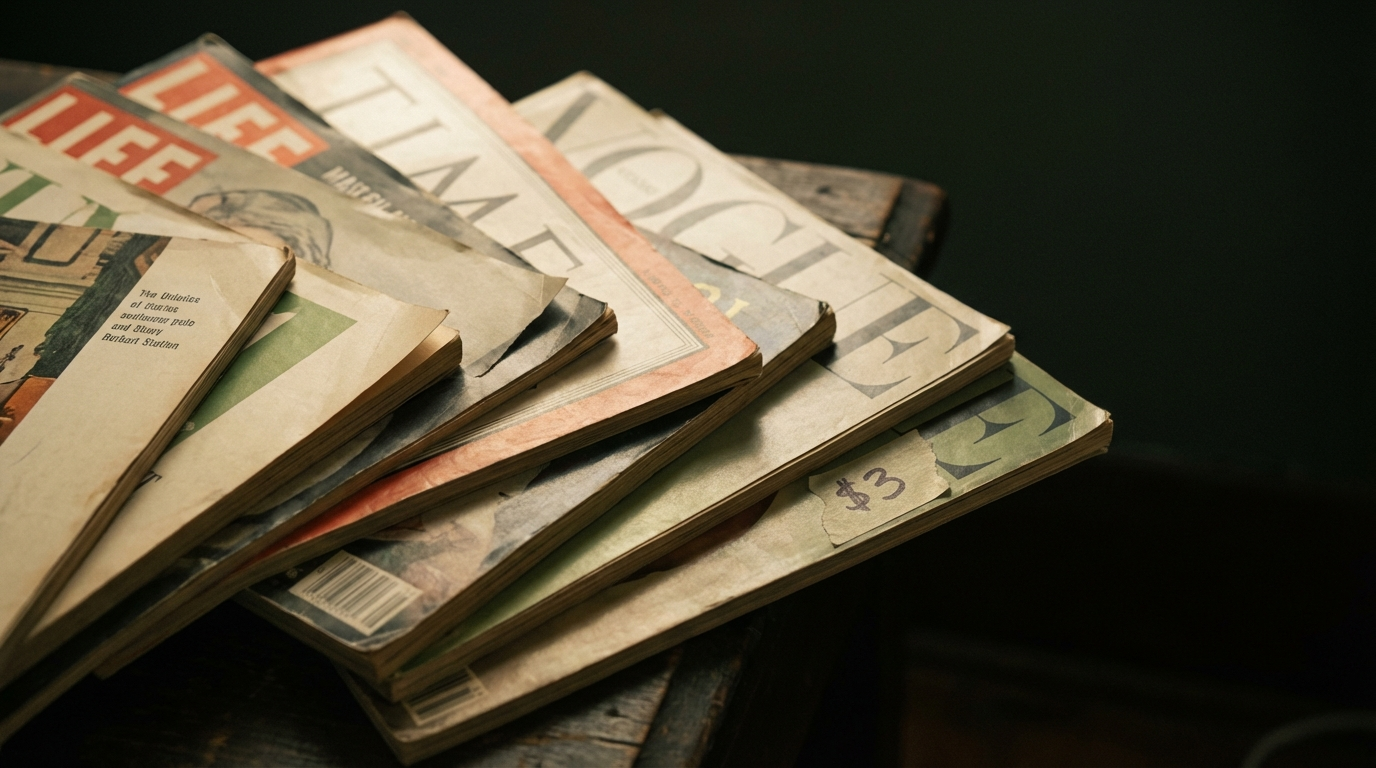
Here's what most articles won't tell you first: the stack of Life magazines in your attic is probably worth $1–$10 each. That box of National Geographics your parents saved since 1975? About the same. Age alone doesn't create value.
But here's what makes this interesting. A single issue of Playboy from 1953 sold for $6,500 at auction in April 2024. A Sports Illustrated from 1954 has gained over 1,100% in value in five years. A magazine containing the first-ever Sherlock Holmes story fetched $156,000 at Sotheby's.
The difference between a $2 magazine and a $2,000 magazine comes down to four things: what's on the cover, what's inside, how many copies survived, and what condition it's in. Let's break down exactly what to look for.
Which magazines are actually worth money?
Playboy: the most collectible title
Playboy Vol. 1, No. 1 — the December 1953 Marilyn Monroe issue — is the single most valuable widely collected magazine in the world. In near-mint condition (CGC 9.4), it's valued around $107,000. In realistic "good" condition, the kind you'd find in a box at an estate sale, it's still worth roughly $2,700. And values have climbed 111% in just five years.
The second issue (Margie Harrison, Bob Hope) is worth up to $8,940 in high grade. Issue #4 matters because it contains Part 1 of Ray Bradbury's Fahrenheit 451 — literary significance drives collecting interest beyond the typical audience. Even later 1950s and 1960s issues with notable interviews or cover subjects can bring $50–$200.
After 1970, most issues drop to $5–$20 unless there's something exceptional about the cover or content.
Sports Illustrated: card inserts change everything
The first two issues of Sports Illustrated (August 1954) contained Topps baseball card inserts. That makes them cross-collectible — sports card collectors and magazine collectors both want them. A high-grade SI Vol. 1, No. 4 is valued at $10,700 and has appreciated over 1,100% in five years.
The other big one: the November 28, 1983 issue featuring Michael Jordan's first major magazine cover sold for $611 on eBay. The first Swimsuit Issue from January 1964 (Babette March in a white bikini) carries historical significance as the issue credited with legitimizing the bikini in mainstream American culture.
Life Magazine: mostly modest, with exceptions
Life printed millions of copies per issue. That supply means most issues are worth $1–$10 no matter how old they look. But there are notable exceptions.
The November 29, 1963 issue is the famous one. It was supposed to feature Roger Staubach on the cover, but JFK's assassination on November 22nd triggered a recall to replace the cover. Unrecalled Staubach copies that slipped through can sell for up to $1,800. Issues with specific celebrity covers — Marilyn Monroe, James Dean, the Beatles — command $20–$100 depending on condition.
National Geographic: the biggest misconception
This is the one people most often think is valuable. It usually isn't. National Geographic's print runs were enormous — millions of copies per issue from the mid-20th century onward. Most issues from 1920 to 2000 are worth $1–$5.
The real value is at the very beginning. Vol. 1, No. 1 from October 1888 commands $4,000–$6,000 or more. Anything pre-1907 has value because early print runs were around 10,000 copies. The April 1913 issue featuring the first photographs of Machu Picchu can reach $300. One detail most collectors miss: the maps included as supplements inside issues have become separately collectible.
Rolling Stone, and other titles worth checking
Rolling Stone No. 1 (November 9, 1967, John Lennon cover) sells for $250–$760 depending on condition. The January 22, 1981 issue — Annie Leibovitz's iconic photograph of Lennon and Yoko Ono, shot hours before Lennon's murder — starts at $1,000 or more for clean copies.
Other titles with standout valuable issues: Nintendo Power No. 1 (1988) in CGC 9.4 has sold for $8,750. Mad No. 1 (1952) reaches $3,000 or more. Time's January 1939 "Man of the Year" issue featuring Hitler commands around $1,000. Bitcoin Magazine Issue #1 from 2012 sold for $1,450 — proof that "old" is relative when scarcity and cultural significance align.
What makes a magazine valuable?
Four factors determine whether a magazine is worth $2 or $2,000.
Content significance. First literary appearances (Sherlock Holmes, Fahrenheit 451), iconic covers (Leibovitz's Lennon, Marilyn Monroe), and major historical events all create collecting demand. The content inside has to matter beyond the magazine itself.
Edition rarity. First issues carry inherent scarcity — every magazine has exactly one Vol. 1, No. 1. Recalled or variant editions are even rarer because most copies were destroyed. Low original print runs (pre-1900 magazines, niche titles, early video game magazines) mean fewer survivors.
Cross-collectible appeal. When a magazine interests multiple collecting communities, demand multiplies. Sports Illustrated with baseball card inserts attracts card collectors and magazine collectors. Playboy with Ray Bradbury attracts literary collectors. The more communities, the more buyers.
Condition. This is the multiplier. CGC Magazines grades on a 10-point scale — no magazine has ever received a perfect 10.0. The jump from a 4.0 ("good") to a 9.4 ("near mint") can mean 40x the price. Spine damage, missing pages, water stains, writing on the cover — all reduce value dramatically.
Which magazines aren't worth money?
Some honest expectations before you start listing things on eBay.
National Geographic post-1920. Everyone saved these. That's exactly the problem — when millions of copies exist, scarcity doesn't apply. The maps inside may actually be worth more than the issues themselves.
Life Magazine from the 1960s–70s. Unless it's a recalled cover or a specific celebrity issue, most are worth less than the cost of shipping them.
"Old" doesn't mean "rare." A 1940s magazine that sold five million copies isn't scarce. A 2012 Bitcoin Magazine that sold a few thousand copies is. Print run matters more than age.
Niche magazines can surprise you. Dragon Magazine, Wizard: The Comics Magazine, early Electronic Gaming Monthly — these had smaller print runs and serve dedicated collector communities. A complete run of a niche title can be worth more than a random stack of mainstream magazines.
How do I grade and protect my magazines?
Condition determines price more than any other factor. Here's what matters.
Spine integrity is the first thing collectors check. A rolled, creased, or split spine drops value by 50% or more. Page completeness matters — missing pages, cut-out coupons, or removed centerfolds all reduce value. Cover brightness indicates storage quality. Faded, sun-bleached, or water-stained covers push magazines into the lowest value tiers.

For anything you think might be worth $100 or more, consider professional grading through CGC Magazines. They authenticate, grade on the 10-point scale, and seal the magazine in a protective case. Fees start around $115 and go up based on fair market value, but the authentication alone can increase buyer confidence and selling price significantly.
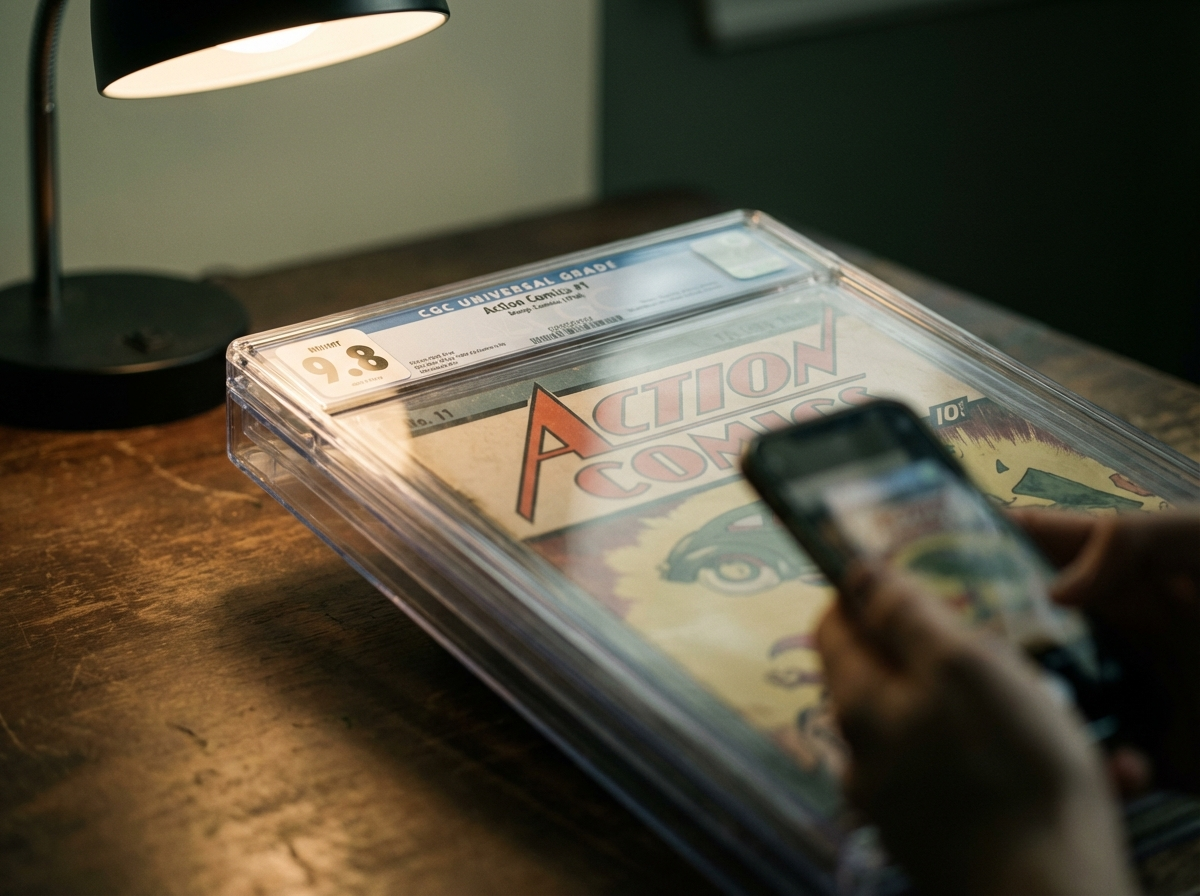
For storage: acid-free bags and boards (the same kind used for comic books) prevent further deterioration. Keep magazines flat, away from direct sunlight, and in a climate-controlled environment.
Where can I sell old magazines?
eBay is the default for individual valuable issues. The audience is massive — there are currently 178,000+ Playboy listings alone. Use "sold listings" to research realistic prices before setting yours. For common magazines, lot sales (10–20 related issues bundled together) move faster than individual listings.
Heritage Auctions handles high-end collectible magazines. They set records in 2024 with $1.87 billion in total sales. If you have something potentially worth $500 or more, their consignment process is worth exploring.
Specialty dealers work well for specific titles. VintageMagazines.com buys collections directly. The Cary Collection specializes in fashion magazines (Vogue, Harper's Bazaar). GoCollect and Nostomania provide real-time price tracking to help you price accurately.
Local options: antique malls (monthly booth rental, passive sales), vintage shops (they'll often buy small collections outright), and estate sale companies (if you're liquidating a larger collection).
A quick checklist before the stack goes out
Updated September 2026. Before you recycle or donate, give each title a thirty-second pass. Check the cover date against the key issues above. Look for first issues, numbered "No. 1" or "Vol. 1, No. 1" on the cover or masthead. Check whether a Sports Illustrated still has its card insert and whether a Playboy still has its centerfold. Note the address label, since a subscription copy with a label is worth less than a newsstand copy. Set aside anything with a famous cover subject in the year they became famous. Everything else can go, and if the same closet held vintage Halloween decorations or a binder of Pokémon cards, give those the same pass.
The bottom line
Most old magazines aren't going to fund your retirement. But dismissing the entire stack without checking is how $500 issues end up in recycling bins.
The valuable ones share a pattern: they contain something culturally significant, they're from the early years of their title, they exist in limited quantities, and they're in clean condition. First issues, recalled editions, iconic covers, literary first appearances, and cross-collectible inserts are the markers to look for.
Check the covers. Check the dates. Check the issue numbers. The two-minute scan might not reveal anything — but when it does, you'll be glad you looked.
Most old magazines are worth $1–$10, regardless of age. Value depends on content significance (iconic covers, first appearances, major events), edition rarity (first issues, recalled variants, low print runs), condition, and cross-collectible appeal. Specific issues from titles like Playboy, Sports Illustrated, Rolling Stone, and National Geographic can sell for hundreds to thousands.
The most valuable include: Playboy Vol. 1 No. 1 (1953, Marilyn Monroe cover, $2,700–$107,000 depending on condition), Beeton's Christmas Annual 1887 (first Sherlock Holmes, $156,000), Sports Illustrated early issues with baseball card inserts ($500–$10,700), Rolling Stone No. 1 (1967, $250–$760), and pre-1907 National Geographic issues ($300–$6,000+).
Most National Geographic magazines from the 1920s onward are worth $1–$5 due to massive print runs (millions of copies). The exceptions: Vol. 1 No. 1 (October 1888) is worth $4,000–$6,000+, and any issue before 1907 has value because early print runs were around 10,000 copies. Some individual issues with significant content, like the April 1913 first Machu Picchu photographs, can reach $300+.
Best options: eBay (largest audience, best for individual valuable issues), Heritage Auctions (for high-value items worth $500+), specialty dealers like VintageMagazines.com and The Cary Collection (for fashion magazines), and local antique dealers or vintage shops. For valuable issues, consider CGC grading first — professionally graded magazines sell for significantly more.
Look for volume and issue numbers (Vol. 1, No. 1 is the holy grail), check for recalled variants (issues pulled from shelves due to major news events), look for special inserts (like the Topps baseball cards in early Sports Illustrated), and compare your copy to online databases. Condition matters enormously — a CGC grading (10-point scale, fees start at $115) can multiply value by authenticating and protecting the issue.