What to Do With Inherited Jewelry You Don't Want
Inherited jewelry you’ll never wear? How to assess its value, weigh your options, and make decisions you won’t regret—whether you sell, keep, or repurpose.
You've inherited jewelry you'll never wear. Maybe it's not your style. Maybe it's too formal for your life. Maybe it just carries complicated feelings.
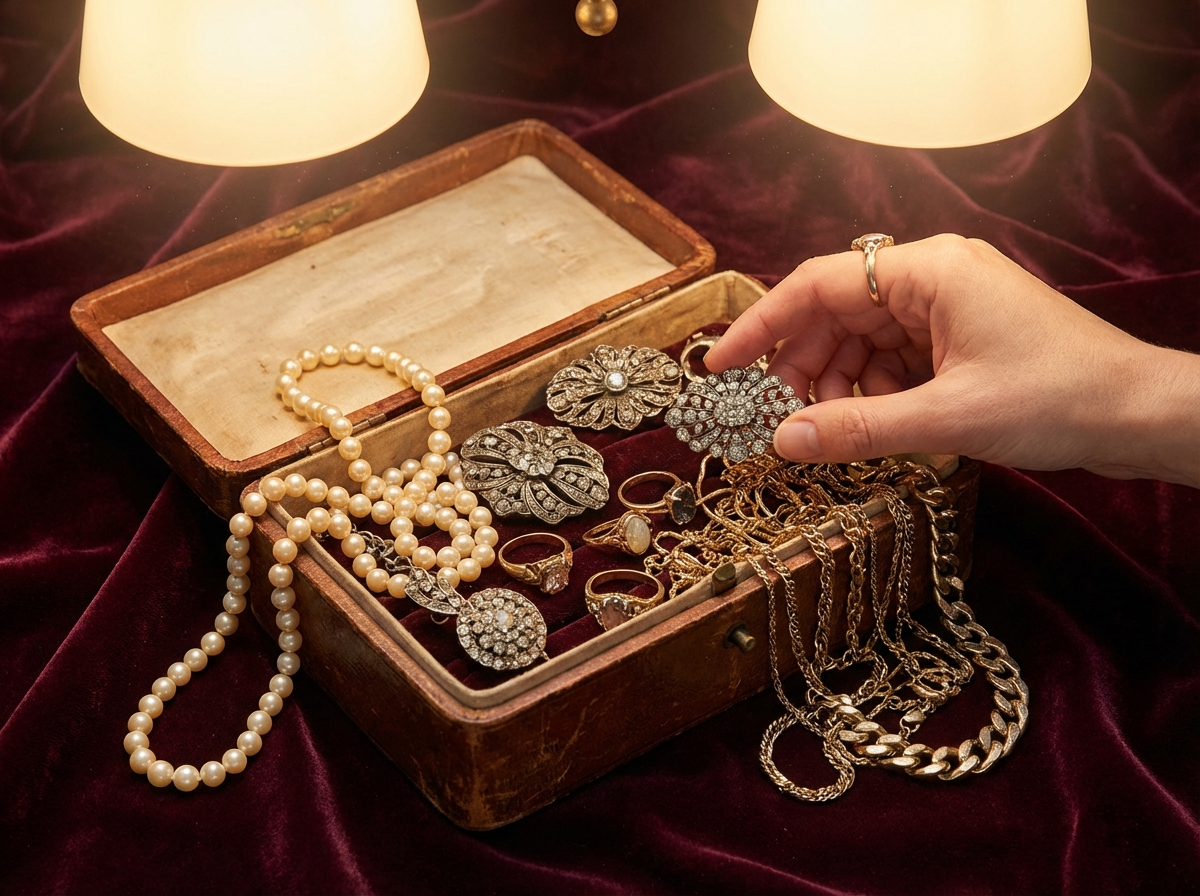
The guilt of not wanting it is real. But so is the reality: jewelry sitting in a drawer serves no one. Here's how to figure out what you have, what it's worth, and what to do with it.
How do I figure out what jewelry I inherited?
Before making any decisions, you need to know what you have. Inherited jewelry falls into several categories with very different values:
Fine jewelry: Precious metals (gold, platinum, silver) with genuine gemstones. Value comes from both materials and craftsmanship.
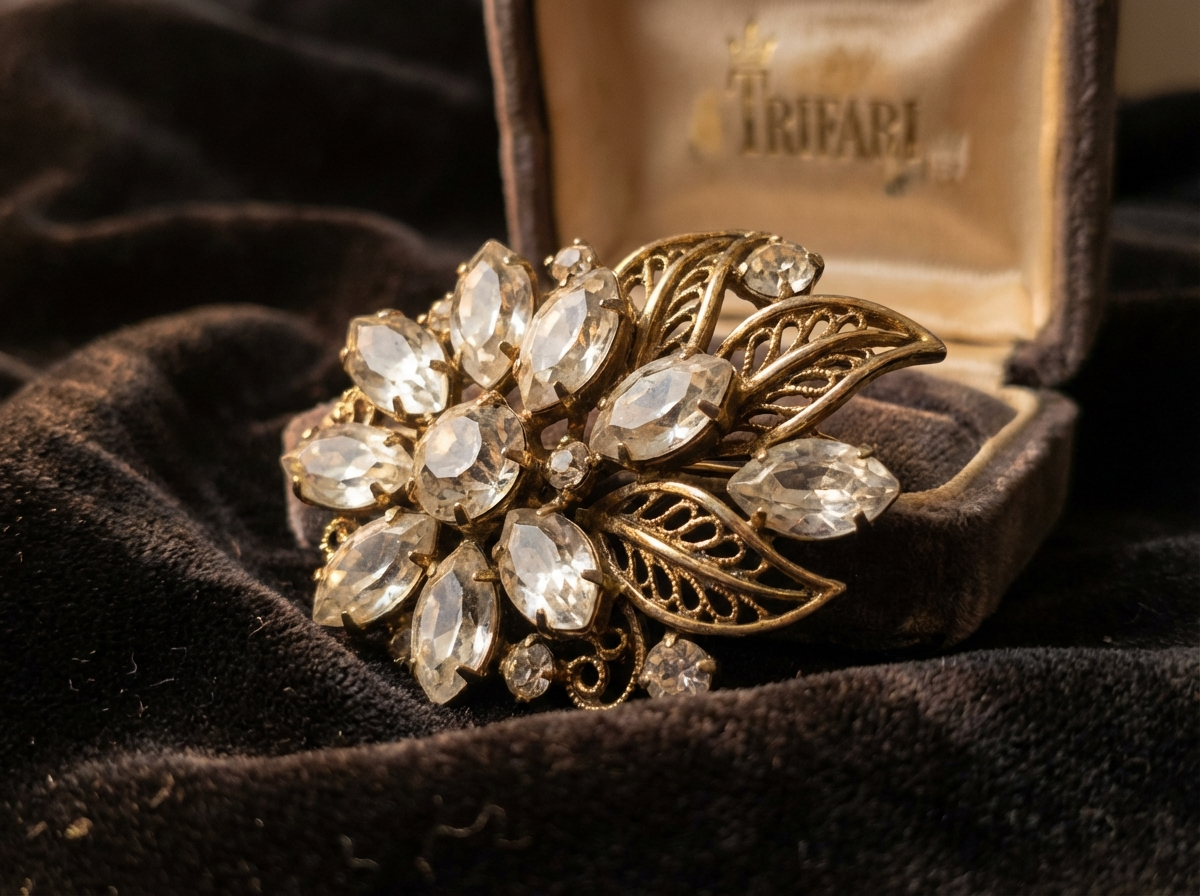
Costume jewelry: Non-precious materials designed to look decorative. Can range from worthless to surprisingly valuable, depending on maker and era.
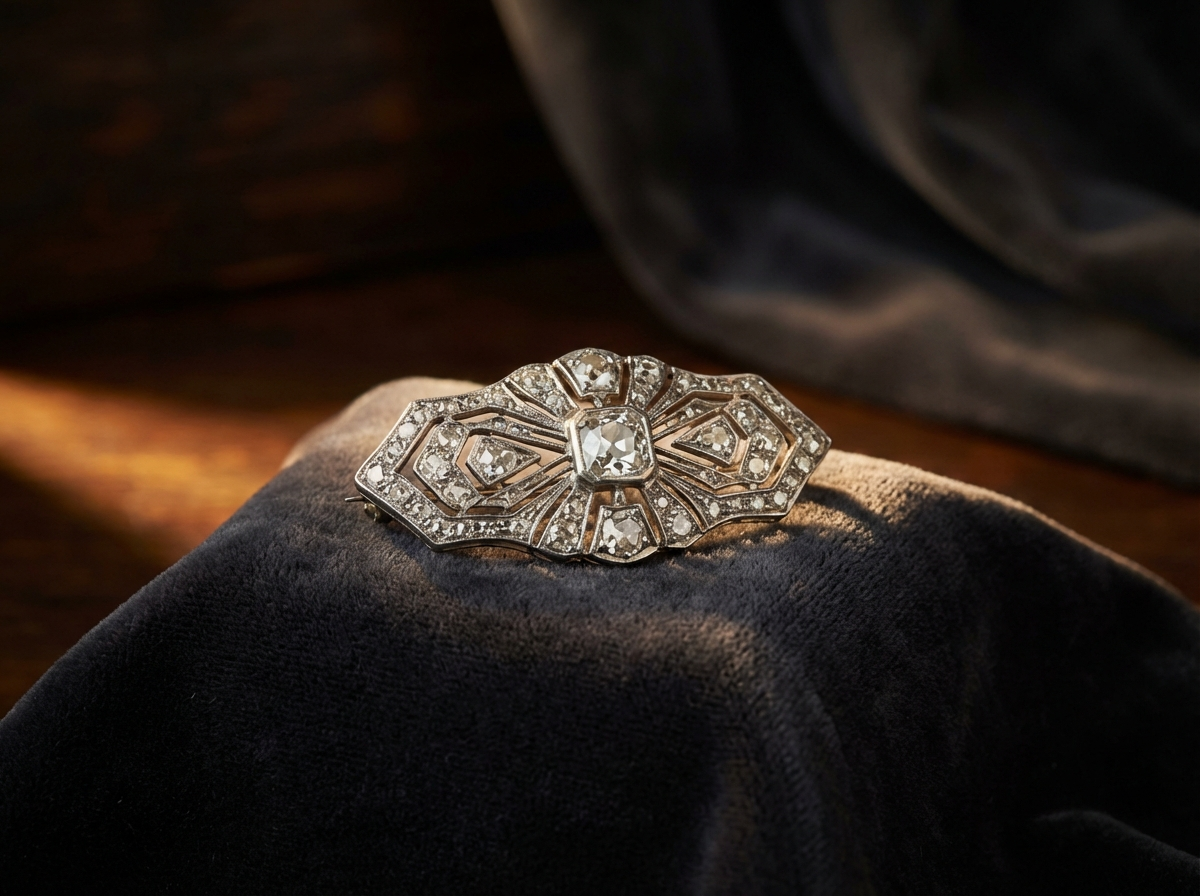
Vintage and antique: Age matters. Pieces from certain periods (Art Deco, Mid-Century, Victorian) carry premiums regardless of materials.
Designer and signed: Pieces from recognized makers (Tiffany, Cartier, but also costume makers like Miriam Haskell or Weiss) command higher prices.
The categories overlap. A "costume" piece from the 1920s might be worth more than your grandmother's simple gold chain. Visual identification helps sort through what you're looking at.
How do I assess the value of inherited jewelry?
You have several options, from quick to thorough:
Quick assessment: An appraisal app can identify pieces from photos and give you a market range. This tells you immediately whether something warrants deeper research or can be donated without worry. Useful for working through a large collection efficiently.
Focused research: For pieces that seem significant, search sold listings on eBay (filter by "sold," not "listed") and auction results on sites like LiveAuctioneers or Invaluable. This shows actual market prices.
Professional appraisal: For pieces that appear high-value (or that you suspect might be), a certified appraiser provides documentation. This costs money but matters for insurance, estate purposes, or selling through auction houses.
Jeweler assessment: Local jewelers can identify metals and stones, assess quality, and often make offers. Keep in mind they're buying at wholesale—you'll get more selling directly to collectors, but it's more work.
What are my options for jewelry I don't want?
Option 1: Keep It
Maybe not to wear—but to hold. Jewelry is small. It's easy to store. If you're not ready to decide, there's no urgency.
Consider keeping pieces that:
- Connect to strong memories
- Might appeal to your children later
- Are genuinely valuable (price appreciation possible)
- Could be redesigned into something you'd actually wear
Option 2: Sell It
The most practical option for pieces with no emotional hold. Your selling options depend on value and your tolerance for effort:
High-value pieces ($1,000+):
- Auction houses (Heritage, Sotheby's, Christie's for very high value)
- Specialized estate jewelry dealers
- Consignment with reputable jewelers
Mid-range pieces ($100-1,000):
- eBay (largest market, requires effort)
- Ruby Lane or Etsy (vintage-focused audiences)
- Local estate sales
- Consignment shops
Lower-value pieces:
- Facebook Marketplace
- Poshmark (for costume jewelry)
- Cash for gold (last resort for scrap value only)
Platform-by-platform guidance here.
Option 3: Repurpose It
Jewelry can be redesigned. Stones can be reset. Chains can be shortened. Gold can be melted and recast.
This makes sense when:
- The materials are valuable but the design isn't
- You'd wear it if it looked different
- You want to preserve the connection in a new form
A good jeweler can show you options. This isn't cheap, but it transforms something unwearable into something you'll actually use.
Option 4: Gift It
If specific pieces would mean something to specific people—a niece who admired your grandmother's ring, a friend who shares your mother's style—offering them directly can be more meaningful than selling.
Be thoughtful about this. Gifts create obligations. Make sure the recipient genuinely wants it, not just feels unable to refuse.
Option 5: Donate It
For pieces with no significant value and no takers, donation is fine. Charity shops sell jewelry; someone will buy it. You're not dishonoring anyone's memory by letting go of a costume brooch.
Is it okay to sell inherited jewelry?
Let's address it directly: feeling guilty about not wanting inherited jewelry is normal but not obligatory.
Objects are not people. Your grandmother is not diminished by you selling her earrings. The love was real whether or not you keep the stuff.
What honors memory is intention, not accumulation. Making a thoughtful decision—even if that decision is selling—respects the item more than letting it languish in a drawer.
If you need permission: you have it. Do what makes sense for your life.
What's a practical process for deciding?
If you're facing a box of inherited jewelry, here's a workflow:
-
Separate obvious keeps — Pieces with strong emotional significance, regardless of value.
-
Quick-scan everything else — Use an appraisal app to sort by value tier. This prevents accidentally donating something valuable and helps you stop researching things that aren't worth the time.
-
Research the high-value pieces — For anything the scan flags as significant, dig deeper. Check sold listings, consider professional appraisal.
-
Decide on mid-tier pieces — These are the judgment calls. Sell if you want the money or need the space. Keep if you're unsure. Gift if someone would genuinely value them.
-
Release the rest — Donate or sell in bulk. Don't agonize over $10 decisions.
The Bottom Line
Inherited jewelry carries weight beyond its market value. But you're not obligated to keep everything, and making thoughtful decisions isn't disrespectful.
Know what you have. Understand what it's worth. Then choose based on your life, not guilt.
The pieces that matter will stay. The rest will find new owners who'll actually appreciate them. Both outcomes are good.