Are Old Books Worth Money? What Collectors Actually Want
Most old books aren't valuable. But some are worth hundreds or thousands. Here's how to identify which books collectors actually want—and what makes them pay.
Most old books are worth very little—there are simply too many of them, and age alone creates no value. The exceptions are real, though: the right first edition, in fine condition with its dust jacket, can bring anywhere from $100 to $10,000 or more. What separates the two is edition, condition, demand, and scarcity—not how old or how leather-bound a book looks.
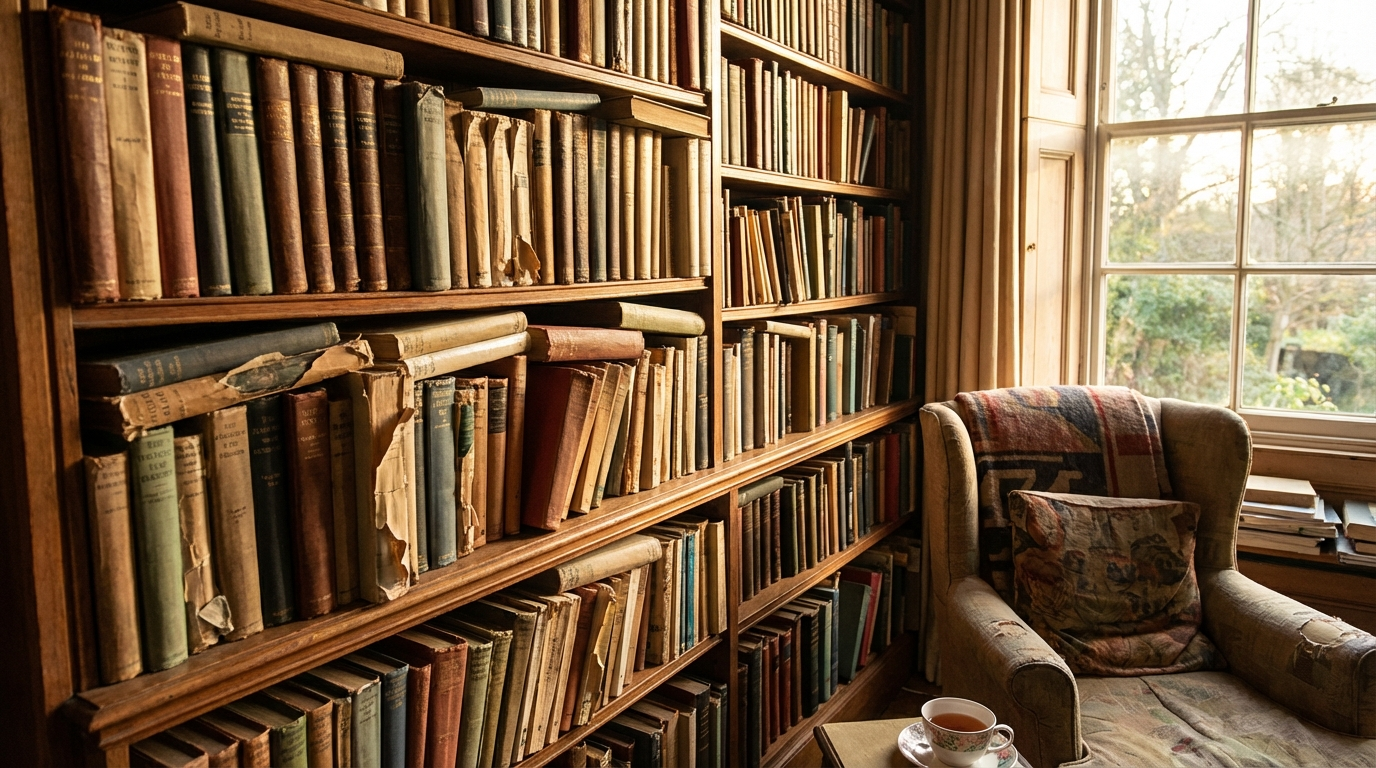
Why aren't most old books worth money?
Three factors work against most old books:
Overproduction: Many 19th and early 20th century books were printed in huge quantities. Even books that look antique are often common.
Limited demand: Book collecting is a niche hobby. Without collectors actively seeking a title, supply exceeds demand.
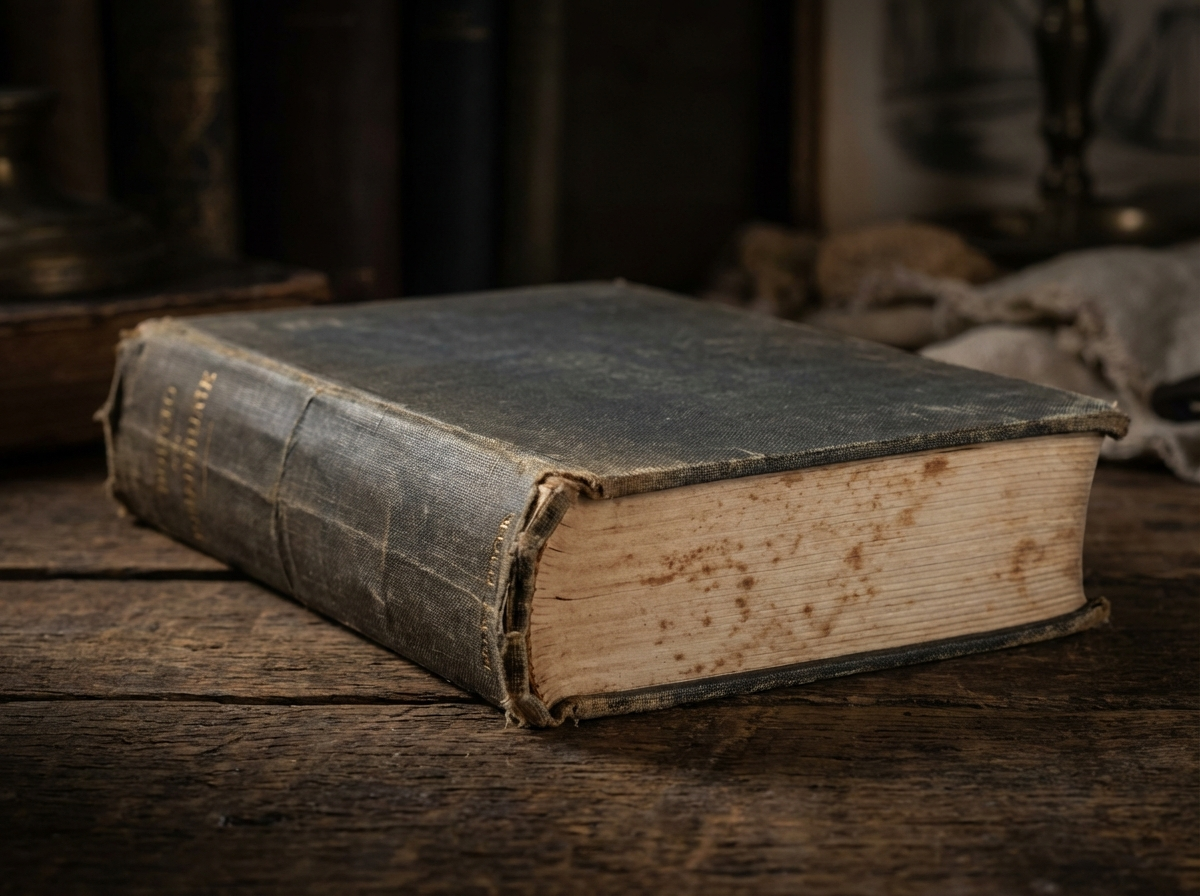
Condition issues: Books are fragile. Most survive in poor condition—foxing, loose bindings, torn pages. Condition matters enormously for value.
That said, valuable books exist in estate sales, thrift stores, and inherited libraries. The trick is knowing what to look for.
What makes a book valuable?
First Editions
A first edition—specifically, a first printing of the first edition—matters because collectors want the original. Later printings are historically less significant.
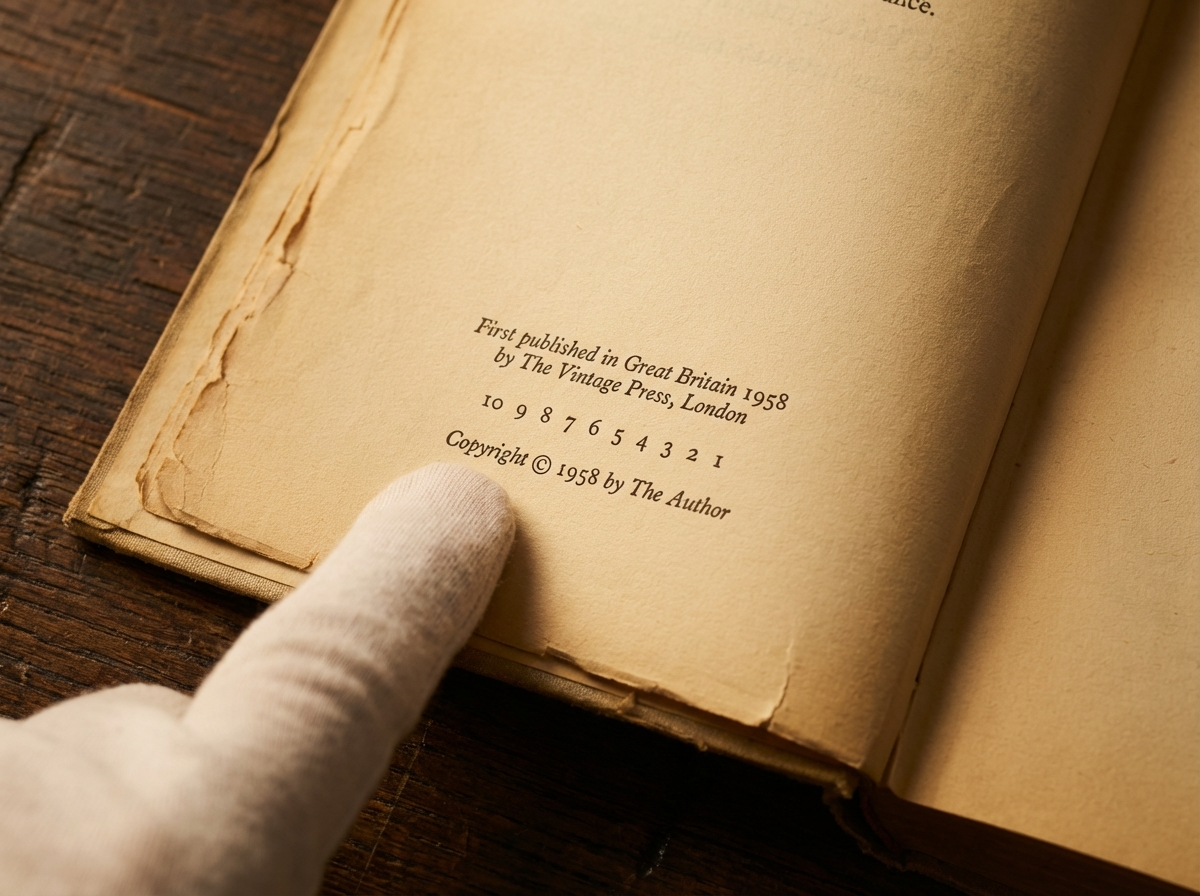
How to identify a first edition:
Different publishers use different conventions. Some common patterns:
- Number line: A row of numbers on the copyright page. If "1" is present (1 2 3 4 5... or 10 9 8 7 6 5 4 3 2 1), it's likely a first printing.
- Statement: "First Edition" or "First Printing" stated on copyright page. But some publishers use "First Edition" even for later printings (Random House did this).
- Date matching: Copyright date matches publication date with no additional printings noted.
Important: "first edition" of a common book is still common. The value comes when first edition status combines with other factors.
Signed Copies
Author signatures add value—substantially for major authors, modestly for lesser-known ones.
What matters:
- Authenticity (provenance, inscription context)
- Condition of signature (faded ink reduces value)
- Whether personalized (inscribed to someone reduces value vs. signature only, usually)
- Association copies (inscribed to someone notable can increase value)
Rarity
Some books are scarce because few copies survive. Others because few were printed. Rarity alone doesn't create value—demand must exist too—but for desired titles, scarcity drives prices.
Factors affecting rarity:
- Small initial print runs
- Fragile format (paperbacks, pamphlets)
- Controversial content (often destroyed)
- Regional publication (limited distribution)
Condition
In book collecting, condition is everything. The same title can vary from $50 to $5,000 based on condition alone.
Condition terminology:
- Fine: Near perfect. As close to new as possible given age.
- Very Good: Shows some wear but no major defects.
- Good: Average used condition. Reading copy, not collector copy.
- Fair/Poor: Significant defects. Value only in rare titles.
Condition issues that matter:
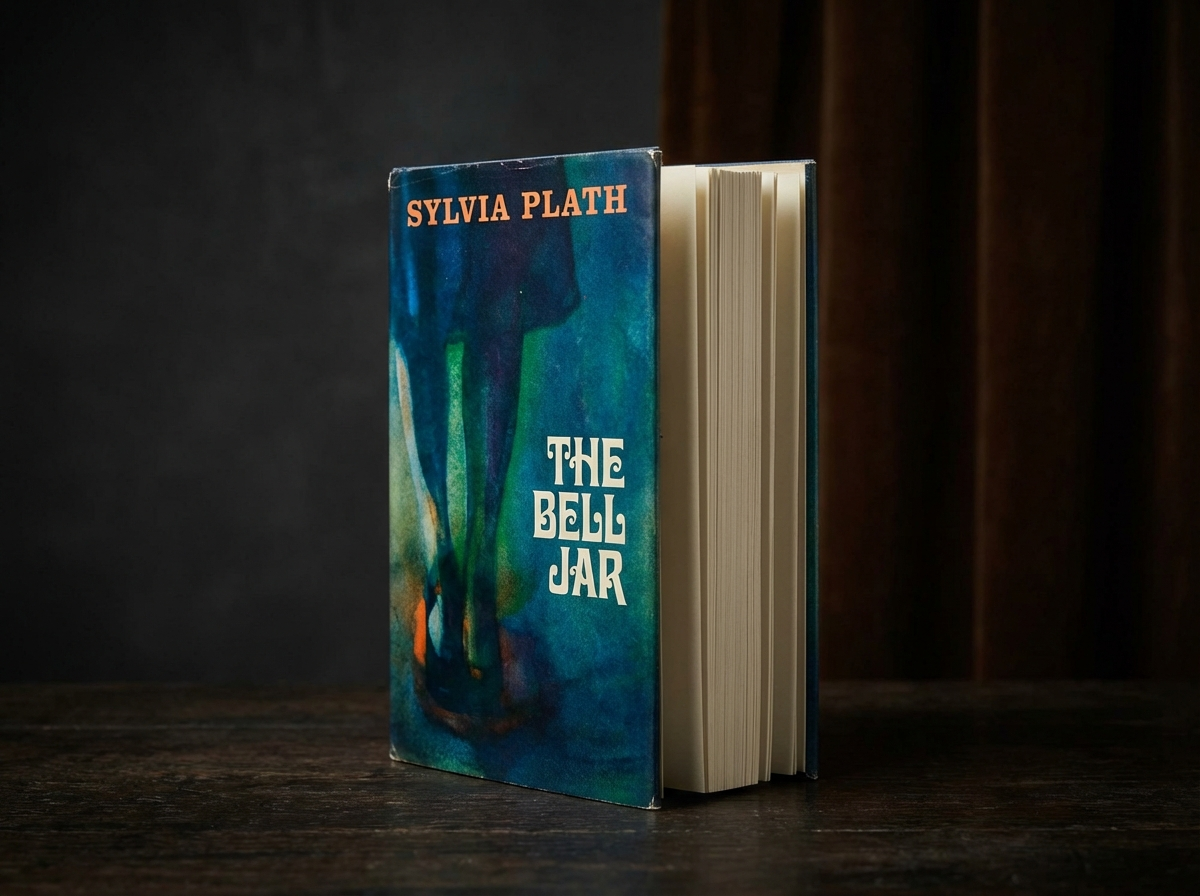
- Dust jacket presence and condition (often more important than book itself)
- Binding tightness
- Page quality (foxing, browning, tears)
- Previous owner marks (reduce value for most books)
Subject Matter and Category
Certain categories consistently attract collector interest:
Strong markets:
- Modern first editions (20th century literary fiction)
- Children's books (especially illustrated)
- Science fiction and fantasy
- Americana and early American printing
- Natural history with color plates
- Photography books
- Art and architecture
- Early books about technology (computing, aviation, etc.)
Weaker markets:
- Book club editions (almost never valuable)
- Reader's Digest condensed books (no value)
- Most textbooks
- Encyclopedia sets
- Most religious books (with exceptions for very early printings)
- Most self-help and how-to books
How do I check if my book is valuable?
Step 1: Identify What You Have
Find the copyright page (usually behind the title page). Note:
- Title, author, publisher
- Copyright date and printing information
- Any edition statements
Check the book for:
- Author signature (usually on title page or front endpaper)
- Dust jacket presence and condition
- Any bookplates, inscriptions, or ownership marks
Step 2: Quick Market Check
For a fast answer: An appraisal app can identify the edition and pull comparable sales data, telling you quickly whether the book warrants deeper research.
For specific research: Search completed/sold listings on:
- AbeBooks (largest used book marketplace)
- eBay sold listings
- Rare book auction results (Heritage Auctions, etc.)
Match your copy's condition as closely as possible to comparables. A Fine first edition price doesn't apply to your Good reading copy.
Step 3: Assess Honestly
Most books you'll find fall into these categories:
Not worth selling: Damaged books, book club editions, common titles, poor condition copies. Donate or recycle.
Worth listing cheaply: Good condition, some interest, but not rare. $5-50 range. Sell locally or in lots.
Worth researching further: First editions of recognized authors, signed copies, unusual subjects. Research specific comparables.
Potentially significant: First editions of major works, signed by important authors, exceptional condition, known rarities. Consider professional appraisal or auction.
Which old books are worth the most?
Modern First Editions
First editions of literary fiction from major 20th/21st century authors can be valuable, especially:
- Nobel and Pulitzer Prize winners
- Recognized classics (Catcher in the Rye, To Kill a Mockingbird, etc.)
- Cult favorites with dedicated collectors
- Books later adapted to successful films
Values range from $100 for lesser-known authors to $10,000+ for major titles in fine condition with dust jacket.
Children's Books
First editions of beloved children's books command strong prices:
- Dr. Seuss early titles
- First Harry Potter (especially UK Bloomsbury edition)
- Caldecott and Newbery winners
- Classic series (Hardy Boys, Nancy Drew early printings)
- Picture books by major illustrators
Dust jackets especially critical; children's books often lost them.
Early and Antiquarian Books
Books printed before 1800 vary enormously. Incunabula (pre-1501) is a specialized field. Generally:
- Earlier printing = more potential interest
- Subject matter affects value significantly
- Condition is relative to age
- Provenance can matter (who owned it)
Specific Valuable Categories
Science fiction/fantasy first editions: Tolkien, Asimov, Philip K. Dick, Ursula K. Le Guin—all collected.
Beat Generation and counterculture: Kerouac, Ginsberg, Burroughs—especially early printings.
Art books: Early or limited edition art and photography books.
Illustrated books: Color plate books, especially natural history.
Where should I sell valuable books?
For rare/high-value books ($500+):
- Rare book auction houses (Heritage, Sotheby's, Bonhams)
- Specialized dealers (consignment or outright sale)
- Direct sale to collectors (for known relationships)
For moderately valuable books ($50-500):
- AbeBooks or Biblio (online marketplaces for used books)
- eBay (largest general audience)
- Specialized dealers by category
For common books:
- Amazon used marketplace
- Local used bookstores
- Library sales (as donation)
The Bottom Line
Most old books aren't valuable. But valuable books hide in plain sight—first editions without dust jackets, signed copies with no fanfare, obscure titles with dedicated collectors.
The key is knowing what to look for: first printing indicators, signatures, condition, and subject matter. A quick check separates the chaff from the potential treasures.
That leather-bound set on the shelf? Probably worth less than it looks. That beat-up paperback? Might be a first edition worth hundreds. The only way to know is to check.