What Do Antique Appraisers Look For?
What do professional appraisers see that you don't? The criteria experts use to assess antiques—and how AI appraisal uses the same logic.
Appraisers assess five things, in order: what it is (identification), who made it (attribution), when it was made (dating), what condition it's in (condition), and whether there's a market for it (demand). Every valuation—human or AI—is some weighting of those five factors. Understanding them lets you see your own items the way an expert does.
What do appraisers actually look for?
Every appraisal—whether by a human expert or an AI—weighs five fundamental factors:
- What is it? (Identification)
- Who made it? (Attribution)
- When was it made? (Dating)
- What condition is it in? (Condition)
- What's the market for it? (Demand)
Let's break down each one.
What is it? (Identification)
Before anything else, you need to know what you're looking at.
What appraisers assess:
- Object type and function
- Category (furniture, ceramics, jewelry, etc.)
- Style (Art Deco, Victorian, Mid-Century Modern, etc.)
- Material (wood type, metal, ceramic body)
How they do it: Visual pattern recognition. Appraisers have seen thousands of objects; they recognize types quickly. They notice design elements that place objects in categories.
How AI does it: The same pattern recognition, but trained on millions of images. AI identifies object types, matches them to known styles, and classifies materials from visual cues.
What you can do: Start with the obvious. What is the object supposed to be? What style does it appear to be? Even rough categorization helps focus further research.
Who made it? (Attribution)
Who made it matters enormously. A signed piece by a recognized maker commands multiples of an unsigned piece in the same style.
What appraisers assess:
- Maker's marks, stamps, labels, signatures
- Distinctive design elements associated with specific makers
- Construction techniques associated with certain workshops or periods
- Regional characteristics (Scandinavian vs. American vs. British, etc.)
How they do it: Deep knowledge of maker's marks and design signatures. Appraisers maintain mental databases of thousands of marks and styles. They consult references—Kovels, Miller's, specialized guides.
How AI does it: Image databases of marks and design elements, cross-referenced against auction records and maker databases. AI can identify marks visually and match against known attributions.
What you can do: Find and photograph any marks. Check visible surfaces, undersides, backs, insides of drawers. Even partial marks help. Unknown makers aren't worthless—but known makers command premiums.
When was it made? (Dating)
Age matters—but not as simply as "older equals more valuable."
What appraisers assess:
- Construction techniques (hand-cut vs. machine dovetails, type of screws, etc.)
- Material availability (certain materials only available in certain periods)
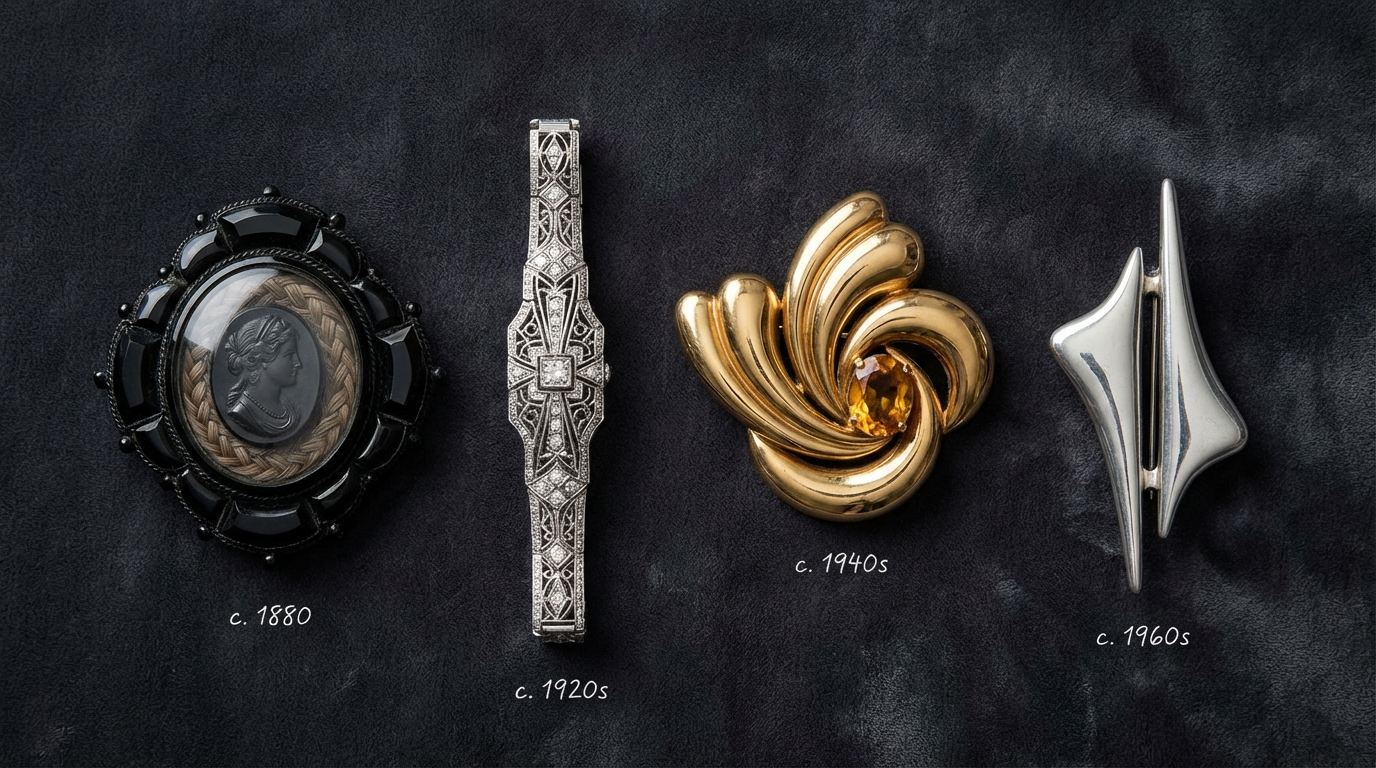
- Style evolution (designs change over time in documented ways)
- Technological markers (certain techniques only possible after certain dates)
- Wear patterns consistent with claimed age
How they do it: Knowledge of technological history. Appraisers know when certain construction techniques were introduced, when certain materials became available, how styles evolved decade by decade.
How AI does it: Pattern matching against dated examples. AI learns the visual signatures of different periods—the subtle differences in construction, proportion, and detail that place objects in time.
What you can do: Look for period-appropriate construction. Examine joints, hardware, wear patterns. Research when specific techniques were used. Inconsistencies (like Phillips head screws on supposedly pre-1930 furniture) suggest later manufacture or repair.
What condition is it in? (Condition)

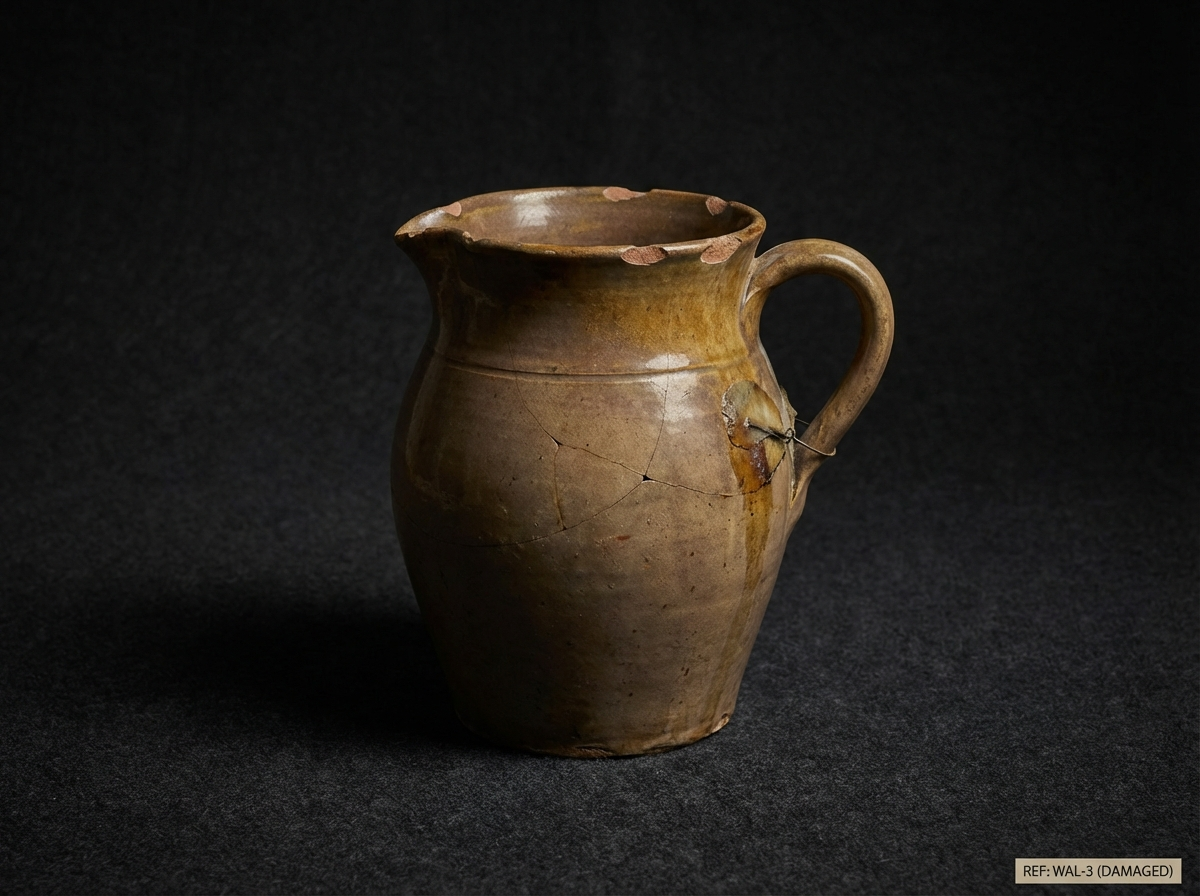
Condition dramatically affects value—sometimes more than any other factor.
What appraisers assess:
- Completeness (all original parts present)
- Structural integrity (damage, repairs, stability)
- Surface condition (finish, patina, wear)
- Originality vs. restoration
- Functionality (does it work as intended)
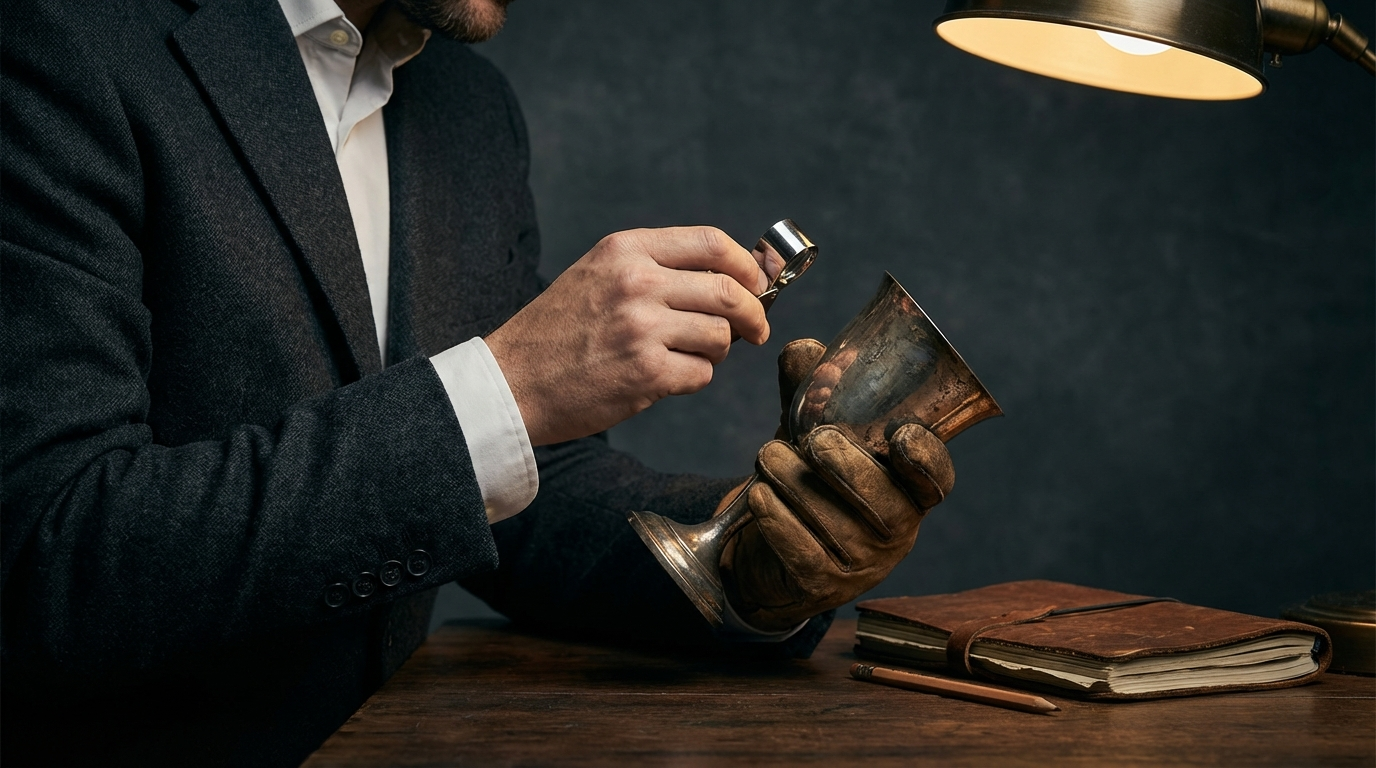
How they do it: Physical examination. Appraisers handle objects, look at them under various lighting, sometimes use UV light to detect repairs or repainting, assess structural soundness.
How AI does it: Visual assessment from photos. AI identifies visible damage, wear patterns, repairs, and missing elements. Multiple photos from different angles improve accuracy. Physical inspection remains a limitation—AI can't feel weight, hear rattles, or smell problems.
What you can do: Document condition thoroughly. Photograph damage, wear, repairs. Note anything missing or replaced. Be honest in assessment—exaggerating condition backfires when buyers inspect.
Is there a market for it? (Demand)
Even rare, old, perfect items are only worth what someone will pay.
What appraisers assess:
- Current collector interest in the category
- Recent auction results for comparable pieces
- Trends in the market (what's hot, what's cooling)
- Regional demand variations
- Specific rarity within a collected category
How they do it: Market knowledge. Appraisers track auction results, talk to dealers, understand collector communities. They know that Hummel figurines have collapsed while mid-century ceramics have risen.
How AI does it: Sales data analysis. AI pulls from auction records, marketplace sold listings, and pricing databases to understand current market realities—not wishful thinking or outdated prices.
What you can do: Search sold listings, not asking prices. What people ask for means nothing; what items actually sell for shows market reality. Check recent results—markets change.
How do appraisers weigh the factors together?
The five factors combine into a value judgment. High attribution + great condition + strong demand = high value. Unknown maker + damaged + soft market = low value.
The synthesis:
- Positive factors multiply value
- Negative factors reduce it (sometimes to zero)
- One exceptional factor can overcome several weak ones
- But serious negatives (damage, fakes) can't be overcome
For example: A signed Tiffany lamp in excellent condition with strong collector demand = very valuable.
The same lamp unsigned = significantly less valuable.
Unsigned, damaged, and reproductions flooding the market = minimal value.
Does AI appraisal use the same criteria?
AI appraisal apps use the same five-factor framework:
- Identification: Image recognition classifies the object
- Attribution: Pattern matching identifies maker's marks and design signatures
- Dating: Visual markers place the piece in period
- Condition: Analysis identifies visible damage and wear
- Demand: Sales data provides market context
The output—a value range with confidence indicators—reflects the same synthesis appraisers make mentally.
Where AI matches appraisers:
- Speed (seconds vs. hours of research)
- Breadth (trained across all categories)
- Market data (instant access to sales records)
- Consistency (no off days, no blind spots)
Where appraisers still excel:
- Physical examination (weight, texture, sound)
- Authentication of high-stakes pieces
- Extremely rare items with limited data
- Provenance assessment (documented history)
For most items—everyday antiques, collectibles, vintage finds—AI provides appraiser-level analysis. For the exceptional pieces, AI flags when deeper expertise is warranted.
What does this mean for valuing your own items?
Understanding what appraisers look for helps you:
- See your own items more clearly — What are the positive and negative factors?
- Photograph more effectively — Capture what appraisers want to see (marks, construction details, condition)
- Set realistic expectations — Understand why some items are valuable and others aren't
- Ask better questions — When consulting experts, speak their language
- Use AI tools effectively — Know what information helps the technology help you
The Bottom Line
Appraisal isn't magic. It's a systematic evaluation of identification, attribution, dating, condition, and demand.
Professionals do this through years of accumulated knowledge. AI does it through pattern recognition and data. Both arrive at the same destination: understanding what something is, who made it, what shape it's in, and what the market will pay.
You can learn to see these factors too. The more you look, the more you'll see. And when you need confirmation, the tools exist to back up your observations with data.