How to Help Parents Downsize: A Room-by-Room Guide
Helping parents downsize is emotional and practical. A room-by-room guide to keeping it manageable—without straining the relationship or losing value.
Helping parents downsize is a minefield of logistics and emotion. They're losing a home. You're seeing your childhood sold off. And somewhere in the middle, there are actual decisions to make about what fits in the new place.
This guide is for the adult child who's been asked to help—or who can see the help is needed. The goal: make the process manageable without damaging the relationship or accidentally trashing the things that matter.

How do I start the downsizing conversation?
Downsizing only works when your parents are driving. If you swoop in with boxes and efficiency, you'll meet resistance that has nothing to do with the objects.
Start with their vision. What do they want their new space to feel like? What are they excited about? What are they dreading? Understanding their emotional landscape prevents fights about lamps.
Acknowledge the loss. Leaving a home of 30 or 40 years is genuinely hard. "This must be so difficult" goes further than "let's stay focused."
Establish decision-making rules. Will you make suggestions and they'll decide? Will they delegate certain categories to you? Clarity upfront prevents resentment later.
Set a timeline together. Rushed downsizing breeds regret. If possible, start months before a move, not weeks.
How do I downsize room by room?
Kitchen
What usually goes: Duplicate tools, rarely-used appliances, serving pieces for entertaining they no longer do, excessive dish sets.
What they'll fight for: The pot they've used for 40 years (let them win this one). Grandmother's china (see if family members want pieces before selling or donating).
Hidden value: Vintage Pyrex, cast iron cookware, certain pottery patterns. Worth checking before donating.
The conversation: "What do you actually cook now?" helps them see the gap between what they own and what they use.
Living Room / Family Room
What usually goes: Extra furniture that won't fit, decorative items that don't spark joy, media collections (DVDs, CDs) they no longer use.
What they'll fight for: The "good" furniture, regardless of whether it fits the new space. Family photos (these take no space—let them keep everything).
Hidden value: Mid-century furniture, original art, quality rugs. Furniture from the 1950s-70s in particular has strong resale markets.
The conversation: Get the floor plan of the new space. Measure furniture together. Math helps more than opinions.
Bedroom
What usually goes: Excess linens (no one needs 12 sheet sets), clothing that doesn't fit or hasn't been worn in years, duplicate furniture.
What they'll fight for: The bed, their dresser (furniture they touch daily feels like identity).
Hidden value: Vintage clothing, quality luggage, watches.
The conversation: Often the easiest room to downsize because the function is clear: sleep, dress, rest.
Garage / Basement / Attic
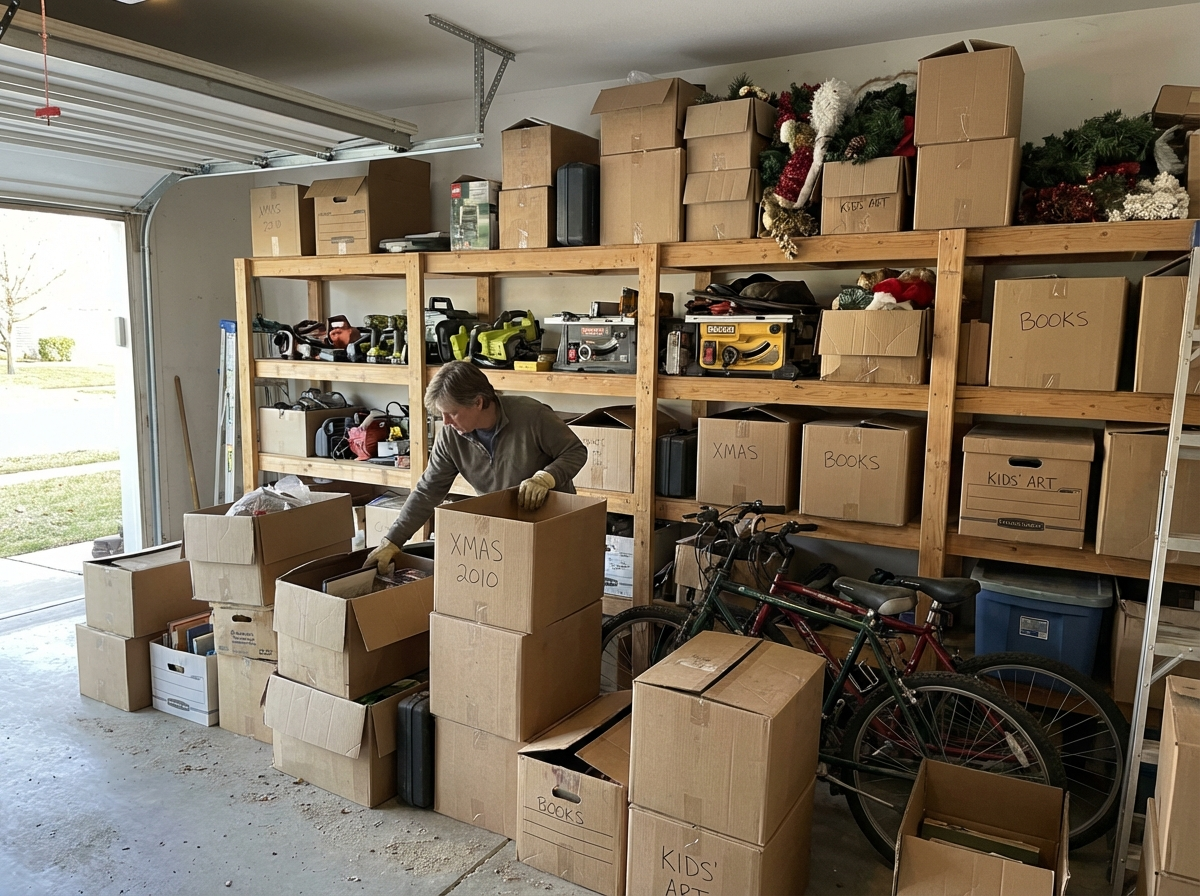
What usually goes: Everything they've been meaning to sort for decades. Tools they no longer use. Holiday decorations for a larger home. Your childhood belongings they've been storing.
What they'll fight for: Tools (identity for many men especially). Holiday decorations (memory-dense).
Hidden value: Vintage tools, sports equipment, musical instruments, forgotten collections. This is where surprises live.
The conversation: "Let's just see what's here" works better than "let's clear this out." Discovery mode feels less threatening than disposal mode.
Home Office / Study
What usually goes: Old paperwork (shred most of it), outdated technology, books they won't read again.
What they'll fight for: Files (even if unnecessary), books (identity for readers), their desk setup.
Hidden value: First-edition books, vintage electronics that have become collectible, old stock certificates or bonds.
The conversation: Help them digitize what matters. Scanning documents and photos reduces the volume while preserving the content.
Their Collections
Every household has collections—intentional or accidental. Stamps, coins, figurines, records, books on a specific topic.
Don't dismiss these. Even if you don't understand the appeal, these represent years of curation. They deserve research, not assumptions.
Do assess value realistically. Many collections have declined in value as collector demographics shift. Hummel figurines, for instance, don't sell the way they once did.
Consider selling as a collection. Individual sales are more work but often yield more money. Selling to dealers is faster but at wholesale prices.
How do I know what's actually valuable?
Throughout this process, you'll encounter the question: is this worth anything?
Your parents may overvalue items (because they remember what they paid) or undervalue them (because they don't know the current market). Neither of you is objective.
An appraisal app provides a neutral third party. "Let's scan it and see" removes argument from the equation. If it's valuable, that informs the decision. If it's not, that's useful data too.
This is especially important for:
- Furniture (mid-century pieces often surprise)
- Art and prints (signatures matter)
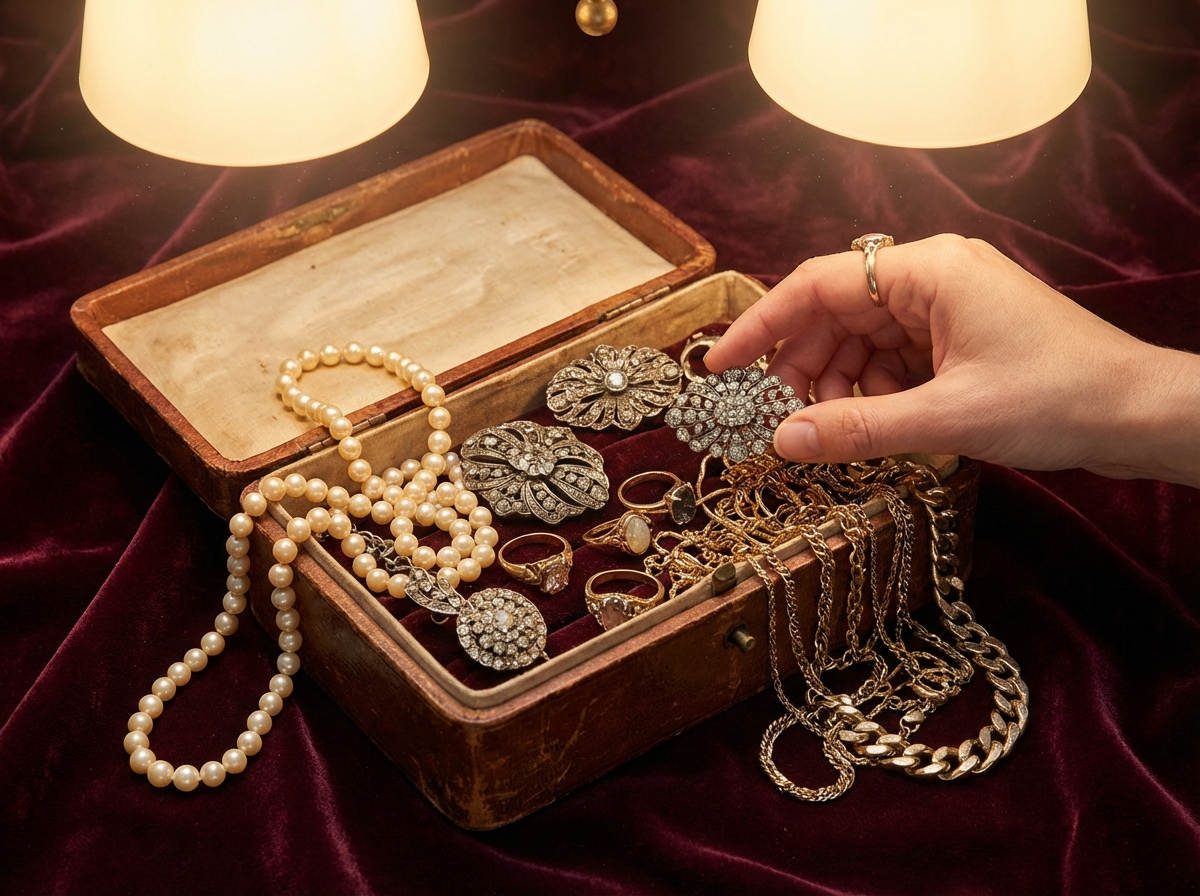
- Jewelry (even costume can have value)
- Books (first editions, signed copies)
- Collectibles (condition and rarity determine value)
What do I do with everything that's left?
Going to the new home: Only what fits and what they'll actually use. Measure twice.
Going to family members: Ask if people want things before assigning them. Unwanted inheritance creates resentment, not gratitude.
Selling: Estate sale companies handle volume. Online marketplaces work for specific valuable items. Our selling guide covers the options.
Donating: Habitat for Humanity ReStores take furniture. Many charities accept household goods. Some will pick up.
Trashing: Inevitable for some things. Rent a dumpster if the volume warrants it.
How do I manage the emotional toll?
Downsizing is exhausting—for them and for you. Build in breaks. Schedule sessions rather than marathons.
Watch for decision fatigue. If everything becomes hard, stop for the day.
Keep water and snacks available. Physical comfort supports emotional resilience.
And remember: you're helping them write the next chapter, not erase the previous one. The home changes. The memories don't.
The Bottom Line
Helping parents downsize works best when you move slowly, ask before assuming, and treat their stuff with the respect it represents.
You're not just clearing a house. You're helping them choose what comes next. That's a privilege, even when it's hard.
The things that matter will move with them. The rest will find new homes. And the relationship will be intact when the boxes are unpacked.