Is Your Old iPod, Walkman, or Game Boy Worth Money?
Most old iPods sell for $30–$250 and a loose Game Boy about $60, but a sealed first-generation iPod sold for $40,264. Here's how to sort the drawer.
Most old iPods, Walkmans, and Game Boys are worth $30–$250, but the right models in the right condition sell for thousands. A working iPod Classic brings $80–$250, a loose original Game Boy about $62, and a sealed first-generation iPod from 2001 set the record at $40,264 in August 2025. What separates the $30 gadget from the $3,000 one is the model, the generation, and whether it's loose, boxed, or sealed. Here's how to sort the drawer.
How much is old tech actually worth?
Most old devices are worth $30–$250. Early iPod Nanos sell for $30–$120, iPod Classics for $80–$250, a loose original Game Boy for about $62, and a loose Game Boy Advance SP with the bright AGS-101 screen for about $148. These were made by the tens of millions, and a working one is worth what a nostalgic buyer will pay to use it.
The middle tier lives at $200–$1,000. First-generation iPods with the mechanical scroll wheel sell for $200–$500 used, a Game Boy complete in its box brings about $200, and a Sony TPS-L2, the original 1979 Walkman, brought $491 with its original headphones at RR Auction.
The top tier is sealed. A factory-sealed original Game Boy trades around $3,000, a sealed 2004 U2 Special Edition iPod sold for $4,038, and sealed first-generation iPods have climbed from $25,000 in 2022 to $40,264 in 2025. The same logic runs the whole category: a sealed first-generation iPhone sold for $190,372 in 2023.
Demand is real and growing. eBay told NPR in July 2026 that searches for iPods, CDs, and Walkmans have surged, and refurbished iPod sales on eBay have risen about 15% a year since Apple discontinued the line in 2022.
Which old gadgets are worth real money?
The $3,000+ tier: sealed firsts
Sealed first-generation iPod (2001). The 5GB model with the mechanical scroll wheel, model number M8541. Sealed examples sold for $25,000 at RR Auction in 2022, $29,000 through Rally in 2023, and $40,264 at RR in August 2025. One of the 2023 examples was bought new for $399 in Plano, Texas and never opened.
Sealed original Game Boy (1989). The gray DMG-01 in an unopened box trades around $3,000 on PriceCharting, and a graded, sealed example is the kind of piece Heritage now sells alongside sealed NES consoles, one of which brought $120,000.
Sealed special editions. The 2004 U2 iPod, the black-and-red one with the band's signatures on the back, sold sealed for $4,038 in March 2025.
The $300–$3,000 tier: first generations, boxed units, and the 1979 Walkman
First-generation iPod, used. A working one with the scroll wheel sells for $200–$500, and mint boxed examples exceed $1,000.
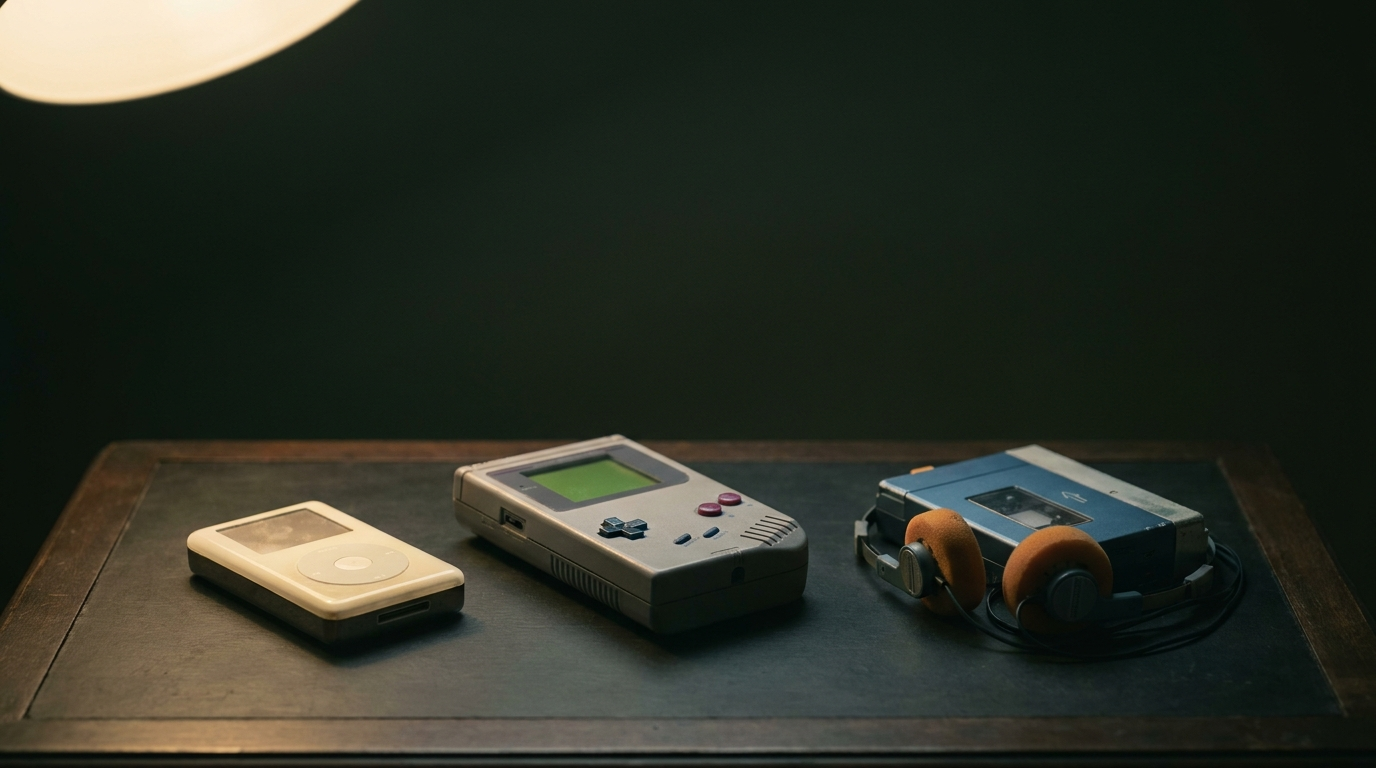
Sony Walkman TPS-L2 (1979). The blue-and-silver original, famous again after "Guardians of the Galaxy." Clean examples with the orange-foam headphones sell for hundreds, and boxed ones reach the low thousands. Sony's later premium models climb too: FinanceBuzz cited a Walkman WM-3EX listed at $1,150 in August 2026.
Game & Watch and rare handhelds. Nintendo's 1980s LCD games sell for about $50 in common versions and up to $2,000 for rare variants. A graded Game Boy Advance SP AGS-101 brings about $1,100.
The $80–$300 tier: iPod Classics, boxed Game Boys, and clean Walkmans
iPod Classics from the fifth through seventh generations, all model A1238, sell for $80–$250 and more when modified with a flash drive and new battery, which a large hobbyist scene now does. A Game Boy complete in box brings about $200, "Play It Loud" colored Game Boys bring more than gray ones, and working 1980s Walkman cassette players from Sony's mid-range sell in the low hundreds.
Under $80: what most of the drawer actually is
Loose iPod Nanos and Shuffles, scratched iPod Classics with dead batteries, generic MP3 players, most 2000s flip phones, and the tangle of chargers and cables underneath. Useful. Not collectible.
How do you identify a valuable device?
The model number tells the story
Turn it over. Apple engraved a model number on the back of every iPod, and Apple's own list maps each one: M8541 is the first generation, A1040 the third generation with the touch wheel and four buttons above it, and A1238 covers the fifth through seventh generation Classics. The first generation has a mechanical wheel that physically turns; every later model uses a touch-sensitive wheel. Capacity is printed on the back too, and larger drives sell for more.
The Walkman shows its age on the front
The original TPS-L2 has an orange "hotline" button, two headphone jacks so two people could listen, two volume sliders, and a two-position tone switch. The earliest units say "Stereo" rather than "Walkman" on the cassette door, and those are the ones collectors want most.
Game Boy variants
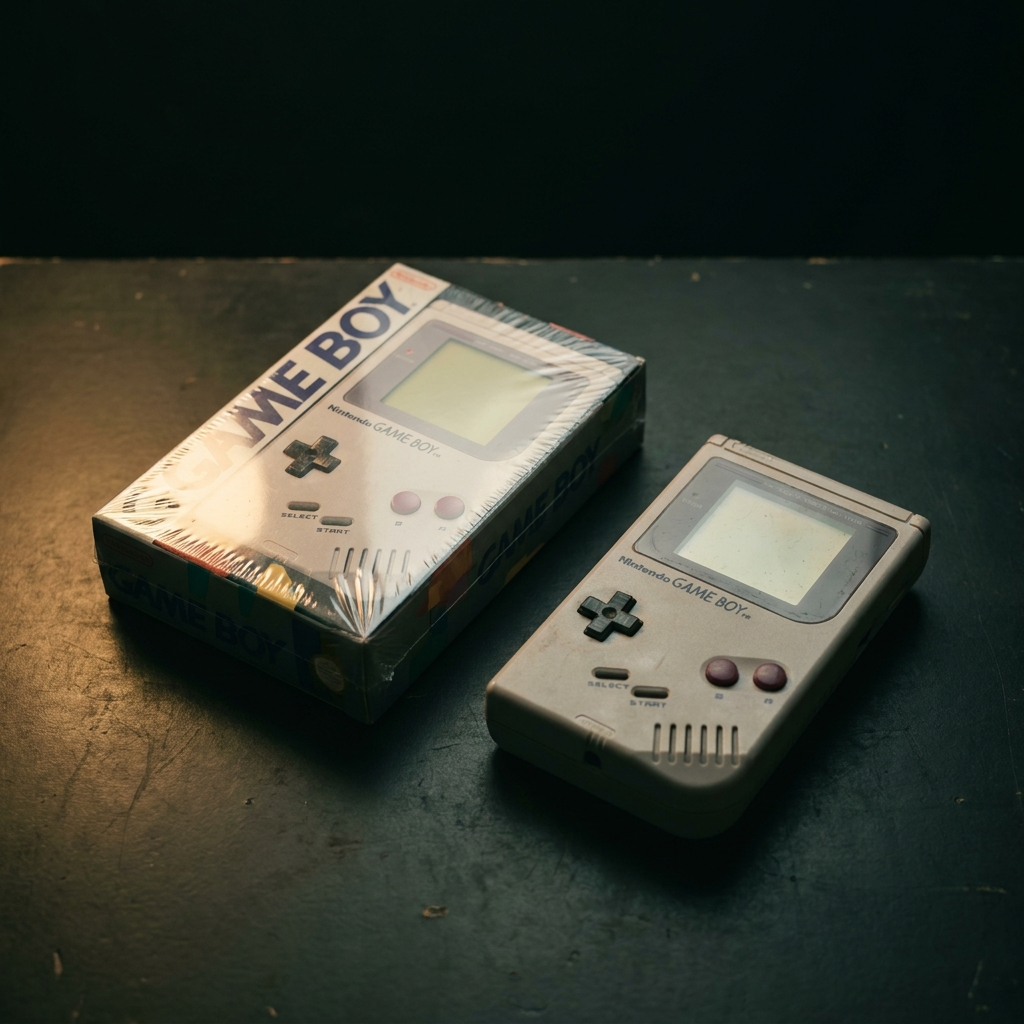
The original DMG-01 is the gray brick from 1989. "Play It Loud" versions from 1995 came in colors, with blue, white, and clear the scarcest. The Game Boy Pocket (1996) and Color (1998) are common; the Advance SP with an AGS-101 model number has the bright backlit screen that hobbyists pay a premium for. Check the sticker on the back for the model.
Sealed, complete in box, or loose
The market prices three conditions separately. Sealed means factory shrink wrap intact, and it's where the record prices live. Complete in box (CIB) means the device, the box, the manual, and the original accessories, and it roughly triples the loose price for a Game Boy. Loose means the device alone, and that's what most drawers hold.
Condition: the value multiplier
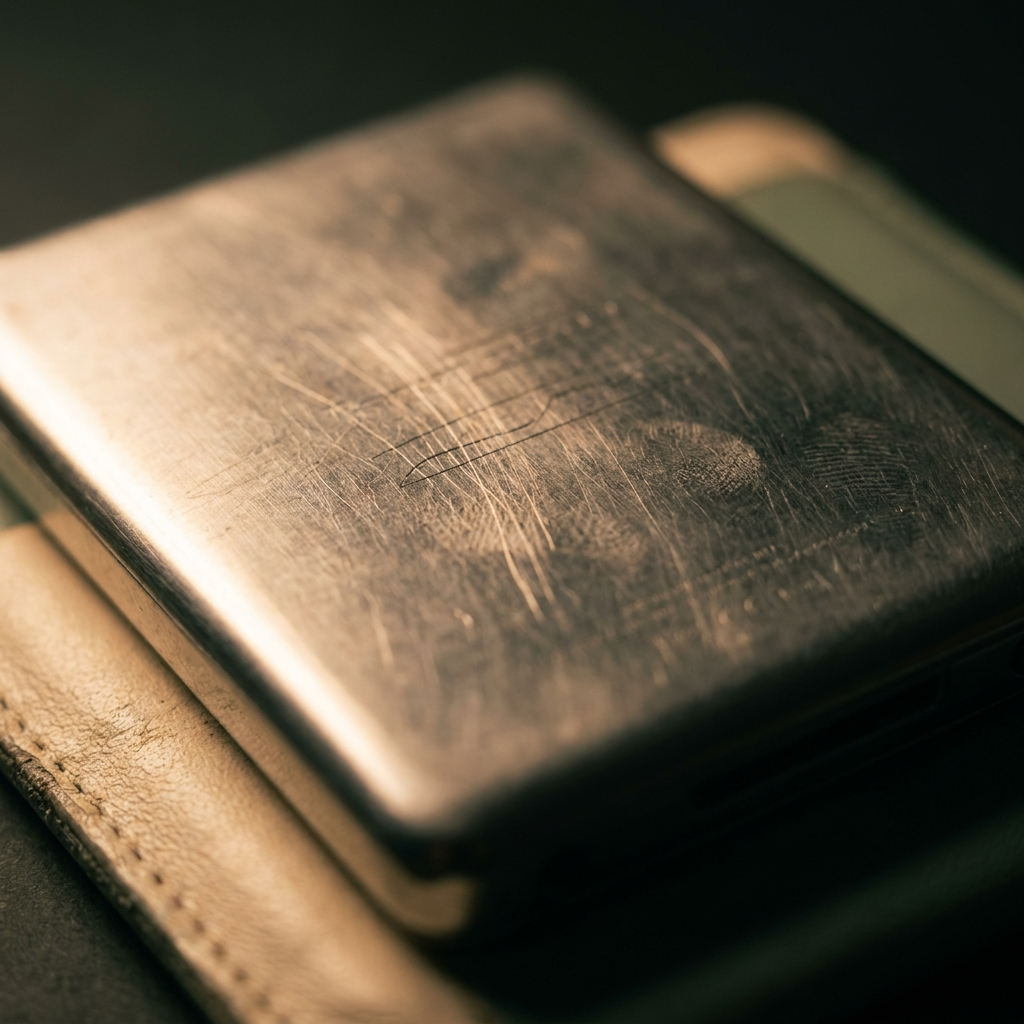
Working beats untested, and untested beats broken. Buyers pay less for "untested" listings because lithium batteries swell, hard drives fail, and cassette belts stretch, so charge it, power it on, and photograph the screen lit. Scratched screens, cracked cases, and corrosion in the battery bay all cut the price. Reader's Digest's advice for selling old iPods holds for the whole drawer: clean the device, photograph every side, and describe the condition plainly.
Which old gadgets are NOT worth much (and why)?
Common working iPods with scratched screens. A sixth-generation Nano with a dead battery is a $30 device on a good day.
Generic MP3 players and most 2000s phones. No collector base, enormous supply. A few models, like the Sidekick and the Motorola brick phone, are the exceptions.
Cables, chargers, and docks. Useful to include with a sale, worthless on their own.
"New in box" listings that aren't. Reseal scams exist for exactly the devices worth money, which is why the five-figure sales happen at auction houses that inspect the seal.
Where is the best place to sell old electronics?
eBay is where most vintage tech sells, and its sold listings are the best price guide. Search the exact model number, filter to sold, and compare loose, CIB, and sealed separately.
Facebook Marketplace and Mercari work for common working devices where a local buyer wants a cheap iPod or Game Boy to use.
Swappa suits newer, working Apple devices with a clean history.
RR Auction and Heritage handle the sealed grails. RR has sold every record first-generation iPod, and Heritage runs dedicated video game hardware auctions. For a full breakdown of platforms and fees, see where to sell.
If you're not sure what you have, that's the part to solve first. Identifying the generation before you list, by hand or with a tool that shows you how AI appraisal works, is the difference between a $30 sale and a $300 one.
The bottom line
The drawer is probably worth $30–$250 a device. But "probably" gets expensive when the iPod in the back has a wheel that physically turns and you dropped the whole drawer at the recycling center.
The devices that command real money share a few traits: they're first generations or rare variants (confirmed by the model number, not assumed from the look), they still work or they were never opened, and they come with the box. Everything else is a lovely, ordinary gadget that someone will still enjoy using.
Turn it over. Read the model number. Press the power button. It takes about a minute, and it's the difference between a drawer you'd empty into the e-waste bin and one worth going through carefully. If the same closet held old cameras or a stack of old CDs, the same logic applies: the model and the box are where the value hides.
Most old iPods sell for $30–$250. Early Nanos bring $30–$120 and iPod Classics $80–$250, more when modified with a flash drive and new battery. First-generation iPods from 2001 with the mechanical scroll wheel sell for $200–$500 used, and sealed examples have sold for $25,000 (2022), $29,000 (2023), and $40,264 (August 2025) at auction. Value depends on generation, condition, and whether the device is loose, boxed, or sealed.
A loose original Game Boy (DMG-01) sells for about $62, a complete-in-box example for about $200, and a factory-sealed one for around $3,000, according to PriceCharting's sold-price data. 'Play It Loud' colored Game Boys from 1995 bring more than gray ones, and a Game Boy Advance SP with the bright AGS-101 backlit screen sells for about $148 loose and around $1,100 graded.
The original 1979 Sony TPS-L2, the blue-and-silver model with the orange 'hotline' button and two headphone jacks, sells for hundreds of dollars in clean condition and more boxed with the orange-foam headphones. One sold with its original headphones for $491 at RR Auction in 2024. Later premium Sony models like the WM-3EX have been listed above $1,000. Common 1980s cassette Walkmans sell for far less.
Look at the model number engraved on the back. M8541 is the first generation (2001), which has a scroll wheel that physically turns. A1040 is the third generation with a touch wheel and four buttons above it. A1238 covers the fifth through seventh generation iPod Classics. Apple publishes a full list of iPod model numbers on its support site. Capacity is printed on the back too.
eBay handles most vintage tech, and its sold listings are the best price guide: search the exact model number and compare loose, complete-in-box, and sealed separately. Facebook Marketplace and Mercari work for common working devices sold locally. Swappa suits newer Apple devices. RR Auction and Heritage handle sealed grails like first-generation iPods and boxed consoles.