Are Old Halloween Decorations Worth Money?
Most vintage Halloween decorations sell for $30–$50, but 1930s Beistle die-cuts bring thousands and one German piece sold for $33,280. Here's how to tell.
Most vintage Halloween decorations are worth $30–$50 apiece, but the right pieces sell for thousands. A 1932 Beistle skeleton-in-graveyard die-cut sold for $3,700, a German goblin lantern brought $5,179 on eBay, and a 1920s German composition candy container set the category record at $33,280. What separates the $30 piece from the $3,000 one is the maker, the decade, and whether it's an original or a reissue. Here's how to tell before you hang it up or sell it.
How much are old Halloween decorations actually worth?
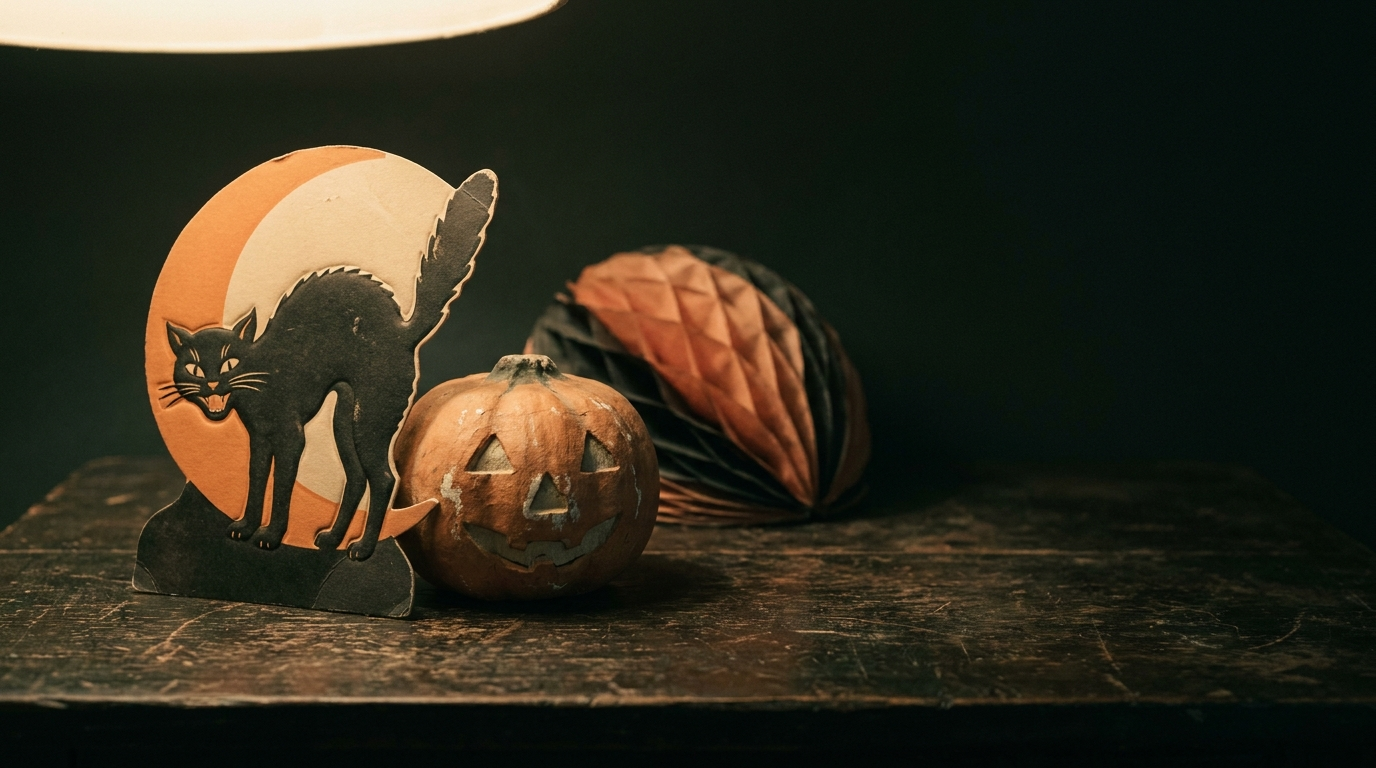
Most of what people find is worth $30–$50. Common Beistle cat-and-moon die-cuts sell for $40–$50, most boxed costumes bring $30–$50, and a faded blow-mold pumpkin with a dead bulb sells for around $50. Halloween paper was printed by the millions, and a lot of it survived in attics because people packed it away every November.
The middle tier lives at $200–$600. Working blow molds from Union Products and General Foam, 1910s Dennison "Bogie Books," and single Winsch postcards all land here. The top tier starts around $1,300 and runs to five figures: rare Beistle honeycomb pieces, German composition lanterns and candy containers from the 1910s–1930s, and the folk-art oddities that show up once a decade.
The golden age collectors chase is roughly 1910 to the mid-1930s, when German and American makers produced the embossed paper, composition, and tin that defines the category. Everything hinges on knowing which decade you're holding.
Which Halloween decorations are worth real money?
The $5,000+ tier: German composition and folk-art rarities
German composition candy containers and lanterns (1910s–1930s). Hand-painted papier-mâché and composition figures made in Germany for the American market are the grails. A 1920s "vegetable man" candy container sold at Bertoia for $33,280, the highest verified Halloween sale on record. A pumpkin-head scarecrow trade stimulator brought $22,800 at Bertoia in December 2023, and Morphy sold a vegetable-man lantern with clockwork eyes for $19,550.
German die-cuts. A 1930s German "Devil Bat" die-cut sold for $5,851. German paper is heavier, more deeply embossed, and stranger than the American pieces that copied it.
German jack-o'-lantern figures. A white goblin lantern sold on eBay for $5,179 in October 2024. Post-war German lanterns from 1955–59 bring far less, around $395, because the molding is softer and the paint is flatter.
The $500–$5,000 tier: Beistle rarities, costumes, and postcards
Beistle honeycomb and mechanical die-cuts (1920s–1930s). Beistle of Shippensburg, Pennsylvania made most of the American paper you'll find, and its rare pieces are the ones with honeycomb tissue, moving parts, or unusual subjects. A 1930 "Tango Cat" honeycomb sold for $1,303 in April 2025, and a circa-1932 skeleton-in-graveyard die-cut sold for $3,700.
Boxed 1960s costumes with character licenses. A 1966 Ben Cooper Daredevil costume sold for $2,000 and a 1965 Morticia Addams for $1,752. The box matters: Antique Trader estimates original packaging adds up to 40% of the value.
Winsch and Schmucker postcards. A complete 1913 Winsch "Mask" set sold for $1,476, and single Winsch cards by Samuel Schmucker reach $600. Common Clapsaddle and Tuck cards sit at $25–$60.
The $100–$600 tier: blow molds, Bogie Books, and noisemakers
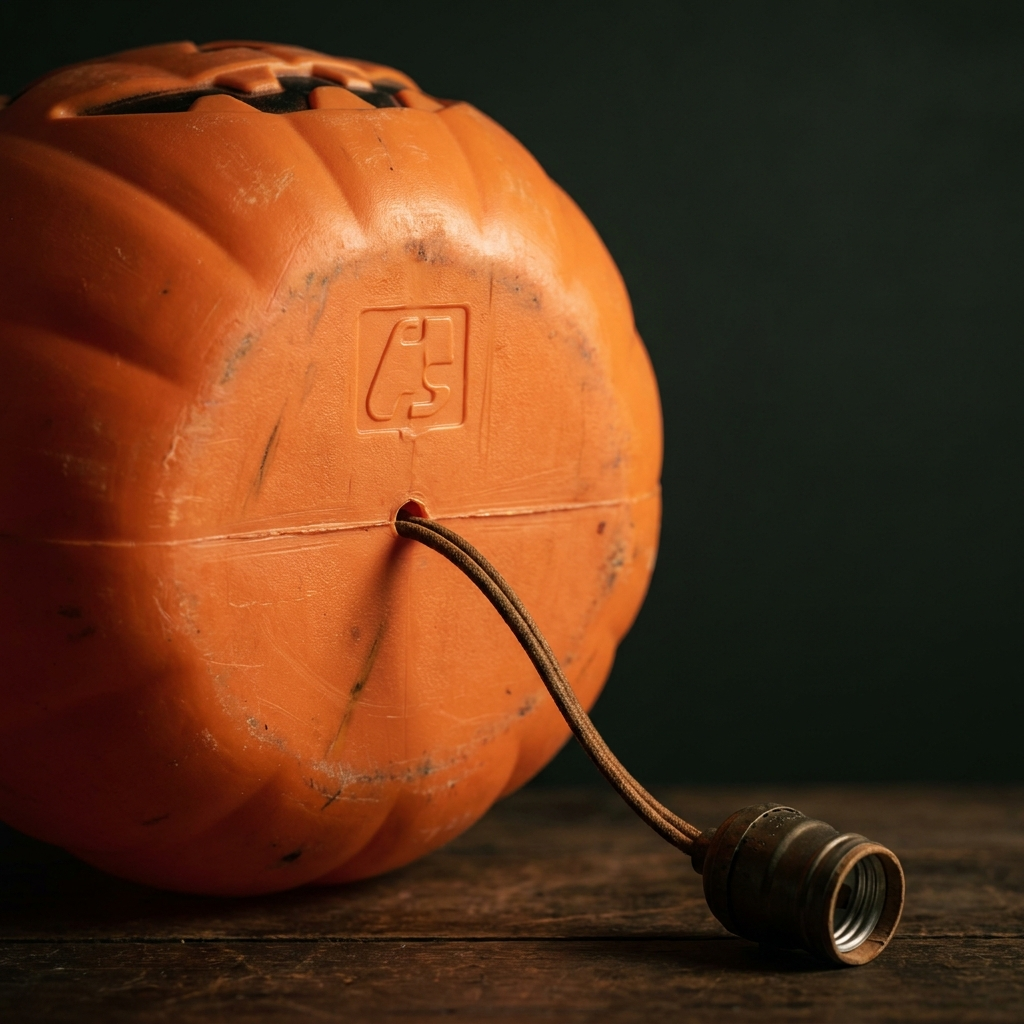
Blow molds (1960s–1990s). The hollow plastic pumpkins, witches, and haunted houses that lit up suburban porches have come back hard. A Union Products haunted house sold for $527 in October 2024, Tico witches bring $100–$300, and General Foam grim reapers bring $100–$250. A working original light fixture and cord add real money.
Dennison Bogie Books (1912–1935). Dennison's annual party-planning booklets sell for $225–$400, with early editions higher. A 1915 edition brought $838.
Tin noisemakers (Kirchhof, T. Cohn). The best lithographed examples sell for $150–$360, though the category has cooled. Common ratchets and tambourines sit at $25–$40.
Under $50: what most of the box actually is
Common Beistle die-cuts, unboxed 1970s costumes, plain paper streamers and napkins, Gurley candles, and anything made after about 1980. Charming, useful, and printed by the truckload.
How do you tell an original from a reissue?
Embossing and single-sided printing date Beistle paper
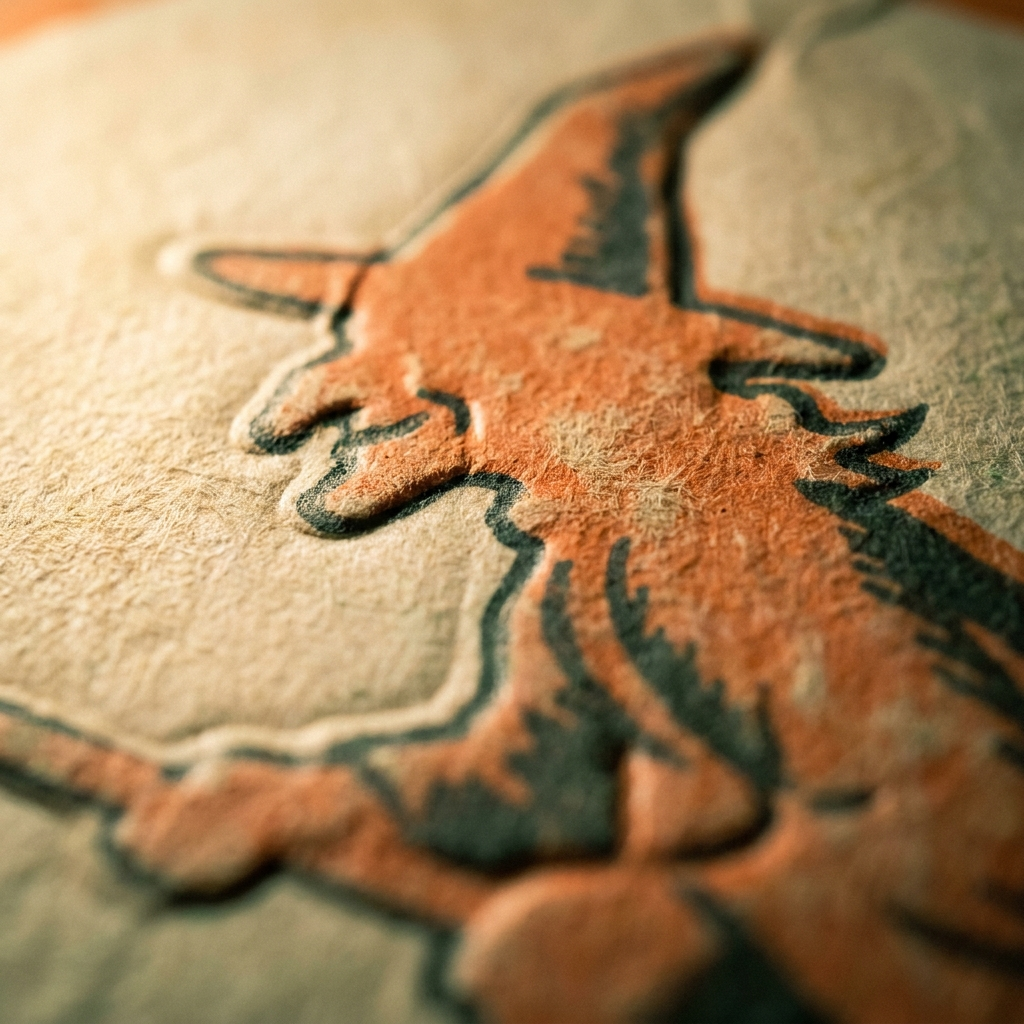
Original Beistle die-cuts from the 1920s through the 1960s are printed on one side and embossed, so the surface has raised texture you can feel. Double-sided printing didn't start until around the 1980s, which makes a two-sided piece a quick giveaway. Green accent colors point to the 1960s or later, and the "H.E. Luhrs" mark dates a piece to the 1940s and early 1950s.
Beistle reissued its classic designs twice, and both reissues are easy to spot once you know the tells. The 2003 Party Partners reissues use glossy stock, white accents, two slots at the bottom, and orange or brown backs. The 2012 Beistle reissues print two copyright dates on the piece, and reissues have decorative value only.
German lanterns show their age in the embossing and the lining
Original German paper lanterns are heavily embossed on the black borders, and the paper linings inside have yellowed and gone brittle. Mid-1990s reproductions imported by Blumchens and others use bright paper lining and show faint or absent embossing. On composition candy containers, reproductions show weak, mushy molding where originals have crisp hand-finished detail.
Blow molds carry their maker on the back
Turn a blow mold over. Union Products, General Foam, Empire, and Bayshore embossed their names on the back or bottom, and pieces made before 1974 have no barcode. Originals use thicker plastic and brighter, hand-sprayed paint than the thin modern versions. If you're reading a stamp you don't recognize, our guide to maker's marks covers how to decode it.
Condition is a multiplier
Paper tears, water stains, tape residue, and pinholes all pull the price down, and a piece that's been trimmed to fit a frame loses most of its value. Composition figures with repainted faces or replaced inserts lose the premium collectors pay for untouched examples. Blow molds fade in sunlight, so a piece that spent thirty summers in a garage window sells for a fraction of one that stayed in the box.
Which Halloween decorations are NOT worth much?
Reissues and reproductions. Beistle's 2003 and 2012 reissues, the 1990s German lantern reproductions, and every "vintage style" piece sold at a craft store carry decorative value only.
Anything made after 1980. Mass-market plastic, foam tombstones, and light-up ceramics from the 1990s and 2000s were made in enormous quantities and mostly still exist.
Cooled categories. Category expert Mark Ledenbach notes that noisemakers, lanterns, shades, and candy containers have cooled from their peaks, and Antique Trader lists Gurley candles and tin noisemakers as stagnant.
Damaged paper. A torn or trimmed die-cut is a few dollars regardless of age.
Where is the best place to sell vintage Halloween decorations?
Timing matters more than for almost any other collectible. Buyers are shopping in September and early October. Listings posted in late October or November see prices that drop, sometimes precipitously, so list early.
eBay is where most vintage Halloween changes hands. Search "sold" listings for your maker and decade to price from real sales, and photograph the back, the embossing, and any marks.
Etsy works for common die-cuts and decor-grade pieces where buyers care about the look more than the provenance.
Bertoia and Morphy handle the German composition rarities and top-shelf paper. Both run fall holiday auctions, and a five-figure candy container belongs in front of their bidders rather than on a marketplace. For a full breakdown of platforms and fees, see where to sell.
If you're not sure what you have, that's the part to solve first. Identifying the maker and decade before you list, by hand or with a tool that shows you how AI appraisal works, is the difference between a $30 sale and a $3,000 one.
The bottom line
Your box of Halloween decorations is probably worth $30–$50 a piece. But "probably" gets expensive when one of them is an embossed 1930s Beistle or a German composition lantern and you sold the lot for $20.
The pieces that command real money share a few traits: they're originals from the 1910s to the 1960s (confirmed by embossing, marks, and paper, not assumed from the design), they survived in clean condition, and they're wanted by a collector community that tracks them closely. Everything else is a lovely, ordinary decoration.
Pull one out. Run your thumb across the surface. Check the back for a mark. It takes about a minute, and it's the difference between a box you'd donate and one worth going through carefully. If the same attic held old toys or old magazines, the same logic applies: the maker and the decade are where the value hides.
Most vintage Halloween decorations sell for $30–$50, including common Beistle die-cuts and unboxed costumes. Working blow molds, Dennison Bogie Books, and Winsch postcards bring $100–$600. Rare 1920s–1930s Beistle honeycomb pieces and German composition lanterns and candy containers sell for $1,300 to over $30,000. Value depends on the maker, the decade, originality versus reissue, and condition.
The highest verified sale is a 1920s German composition 'vegetable man' candy container that sold at Bertoia Auctions for $33,280. Other top sales include a pumpkin-head scarecrow trade stimulator at $22,800 (Bertoia, 2023) and a German vegetable-man lantern with clockwork eyes at $19,550 (Morphy). German composition pieces from roughly 1910 to 1935 are the category's grails.
Originals are printed on one side and embossed, so you can feel raised texture. Double-sided printing started around the 1980s. The 2003 reissues use glossy stock, white accents, two bottom slots, and orange or brown backs; the 2012 reissues print two copyright dates on the piece. Green accent colors point to the 1960s or later, and the 'H.E. Luhrs' mark dates a piece to the 1940s–early 1950s.
Reissues and reproductions have decorative value only. Mass-market plastic and foam decorations made after about 1980, torn or trimmed paper, and faded blow molds sell for a few dollars. Some collector categories have also cooled, including tin noisemakers, Gurley candles, and common candy containers.
List in September or early October, when buyers are shopping. Prices drop sharply once Halloween passes. eBay is the main marketplace (price from sold listings), Etsy works for decorative pieces, and Bertoia and Morphy Auctions handle the rare German composition and top-tier paper pieces in their fall holiday sales.